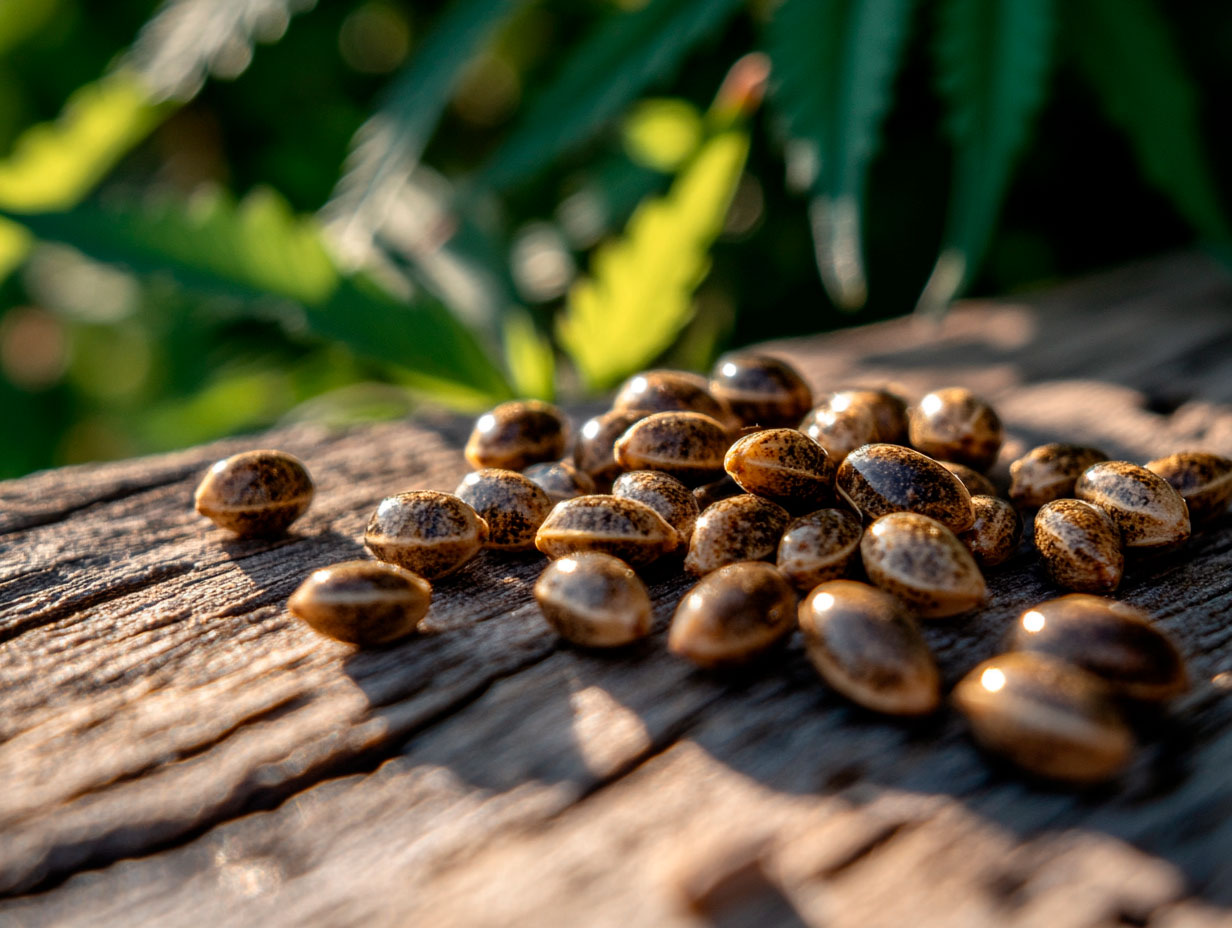


despite their small size, have the potential to cause significant damage to cannabis plants. These pests feed on resin, which is essential for the growth and development of plants. As they suck the resin out of the cannabis plant, it disrupts the normal flow of nutrients, leading to stunted growth. The leaves of infested plants often exhibit a brownish-yellow coloration and begin to droop. If left untreated, russet mites can rapidly multiply and spread throughout a crop, resulting in devastating consequences. They can decimate entire harvests, causing substantial losses for growers. Therefore, it is crucial to implement effective methods to prevent and eliminate these destructive pests.
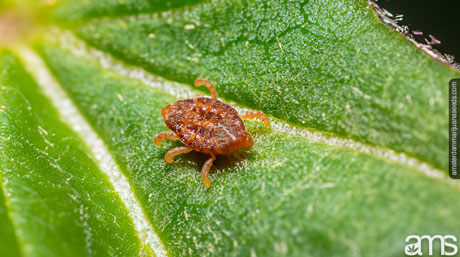
When it comes to identifying russet mites, their appearance can be quite deceptive. They are tiny, usually white in color, and have a maggot-like appearance. Due to their minuscule size, they are often mistaken for other plant problems such as rust or nutrient deficiencies. This misdiagnosis can delay proper treatment, allowing the infestation to worsen. Additionally, russet mites are highly contagious and can easily be transmitted through various means. They can travel through wind, attach themselves to seeds, cling to dried buds, or even hitch a ride on clothing or other objects. Once introduced to a garden or crop, they quickly latch onto new growth and target the trichomes, which are the resin glands responsible for producing valuable compounds. This preference for new growth and resin makes russet mites particularly destructive pests for growers.
In effectively combating russet mites, prevention plays a vital role. Regular inspections of cannabis plants are crucial in detecting early signs of infestation. By closely monitoring the foliage, stems, and undersides of leaves, growers can identify the presence of russet mites and take immediate action. It is also essential to implement quarantine measures when introducing new plants to prevent the spread of mites. Care should be taken with potting soil, as it can harbor female mites or eggs, potentially leading to an outbreak. Using a preventative foliar spray on a regular basis can act as a deterrent for mites and help minimize the risk of infestation. Some treatments commonly used for combating spider mites have also shown effectiveness against russet mites. However, it is crucial to ensure that the treatment is successful by monitoring the cannabis plants and confirming that the damage has ceased. In cases where the infestation has caused significant damage, it may be necessary to remove and dispose of the affected parts, including stems, leaves, or even the entire plant. Proper disposal, such as sealing them in garbage bags, is important to prevent the spread of mites or their eggs to other plants.
By implementing these preventive measures and taking immediate action when necessary, growers can effectively protect their plants from the devastating effects of russet mite infestations. Regular inspections, quarantine practices, and the use of appropriate treatments can help ensure the health and productivity of crops, safeguarding against potential losses caused by these destructive pests.
Indoor Garden Treatment: In an indoor garden, it is essential to lower the temperature and humidity to slow down the reproduction rate of russet mites. These pests can lay up to 50 eggs per day, so controlling their population is crucial. Maintain a clean grow space and avoid bringing in tools or equipment that have been used outside, as they can carry mites. Intermittent releases of predatory mites can help control the infestation. Additionally, several products have shown some success in combating russet mites, including canola oil sprays, sulfur-based sprays, pyrethrins, and neem oil. If all else fails, it may be necessary to start fresh by disposing of the entire garden and thoroughly cleaning the workspace with bleach.
Outdoor Garden Treatment: In outdoor gardens, avoid over-fertilizing your cannabis plants, as russet mites are attracted to excessive nitrogen that promotes robust green growth. Introducing predatory mites can help slow down infestations, but be cautious as certain sprays may also harm beneficial mites. Similar to indoor gardens, you can use canola oil sprays, sulfur-based sprays, pyrethrins, or neem oil for treatment. It is important not to wait and see the effectiveness of a single treatment before trying another. Once the infestation spreads, it becomes extremely challenging to save the plant. Discard affected plants, even if only partially affected, as the mites can quickly spread to healthy cannabisplants during treatment.
Stages of Infestation: Russet mites have a 30-day light cycle, which means that detecting their presence may take up to two cycles since they cause minimal damage initially. The infestation can be divided into three stages based on the population. In the first stage, the mites lay eggs, typically on the underside of leaves. The hatched larvae will consume a ring around the egg, resulting in a small brown ring as an indication of their presence. If you are fortunate, you may find these nearly invisible pests during their first stage.
In the second stage, more brown spots will appear, especially around exposed sap if you have pruned your cannabis plants. Under a microscope, you will be able to observe eggs, larvae, and adult mites. By the third stage, significant damage will be evident, particularly on the lower parts of the plant. New growth will be stunted and deformed, and affected buds may appear withered. As the mite population increases, they will spread throughout the entire plant, ultimately draining its vitality.
Conclusion: Russet mites are formidable pests that can cause severe harm to cannabis plants if left unchecked. Preventive measures such as frequent inspections, quarantine for new plants, and regular use of foliar sprays can help minimize the risk of infestation. In indoor gardens, maintaining a clean and controlled environment is crucial, while outdoor gardens should avoid over-fertilization. Early detection and immediate action are vital when treating russet mites. Remember, even partially affected plants should be discarded to prevent the spread of these pests. By prioritizing cleanliness and implementing effective treatment strategies, growers can effectively combat russet mite infestations and protect their crops.


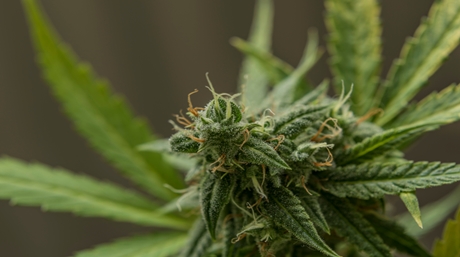






What temperature does THC burn? This complete guide explains how heat impacts cannabis—when THC activates, when it combusts, and how to control vaporization for better flavor, potency, and overall effect. Learn the ideal temperature ranges and why precision matters when vaping, smoking, or cooking.

Choosing to grow your own marijuana may be one of the best decisions you’ve ever made. There are many benefits to growing your own weed instead of just buying it. You will know exactly what you are smoking and how the plant was treated. You will know if it has any chemical residue on it and the quality of the plant. Any grower will tell you, smoking the bud you grew yourself has a particular satisfaction to it that you cannot get with purchased bud. It’s a fun and exciting endeavor and you will probably never want to return to buying your bud.

Want to know how strong your cannabis is? This guide explains THC potency testing methods, comparing professional labs with home test kits to help you choose wisely.