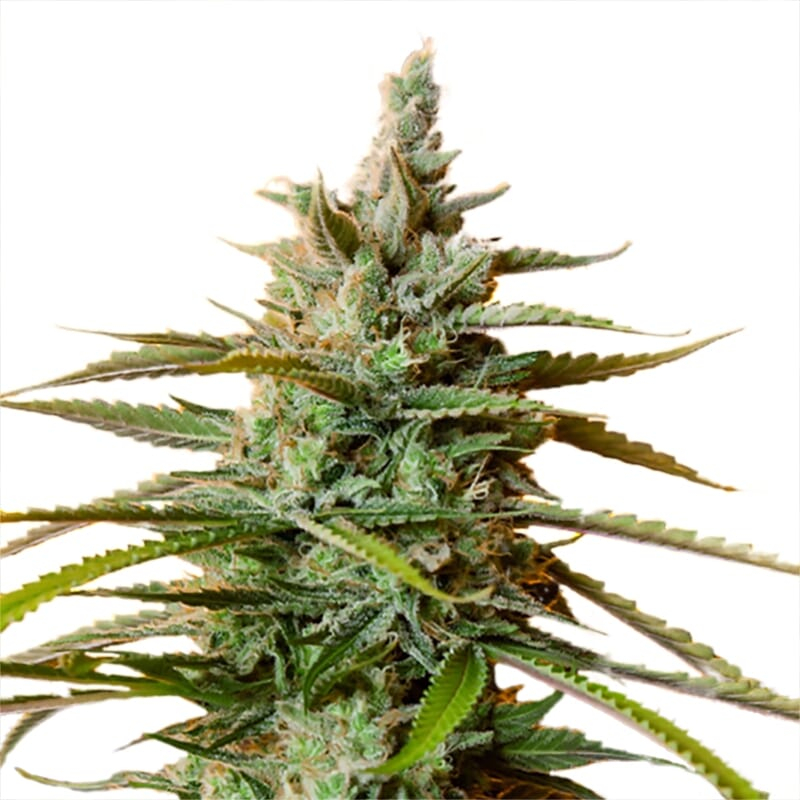
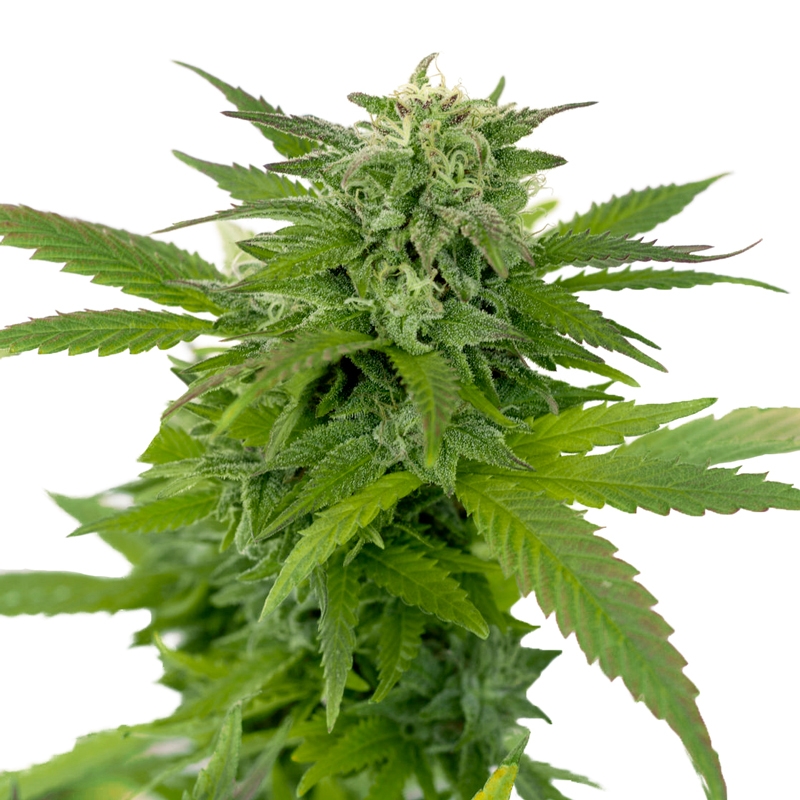
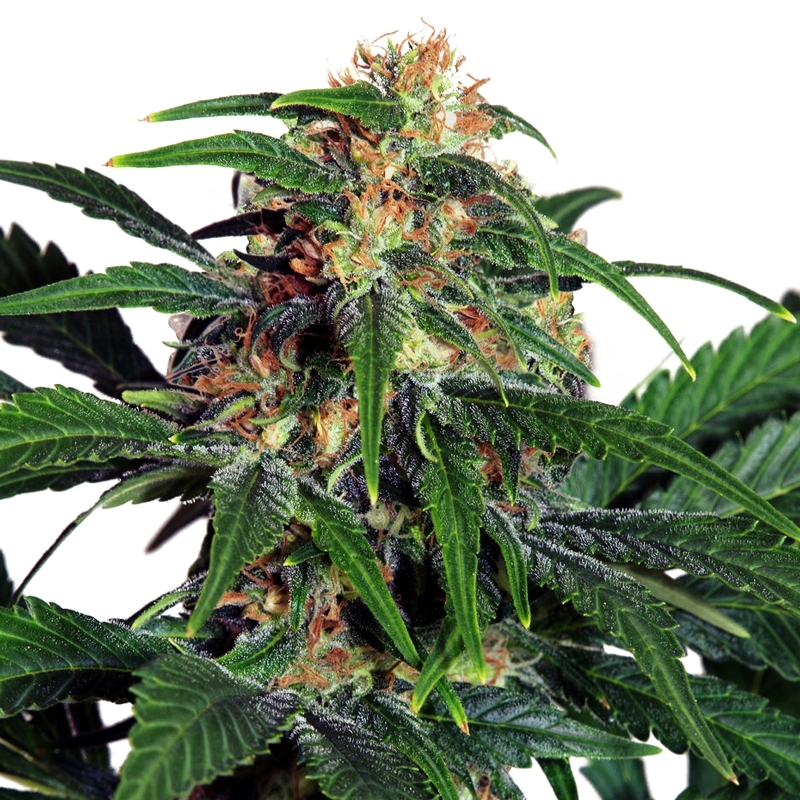
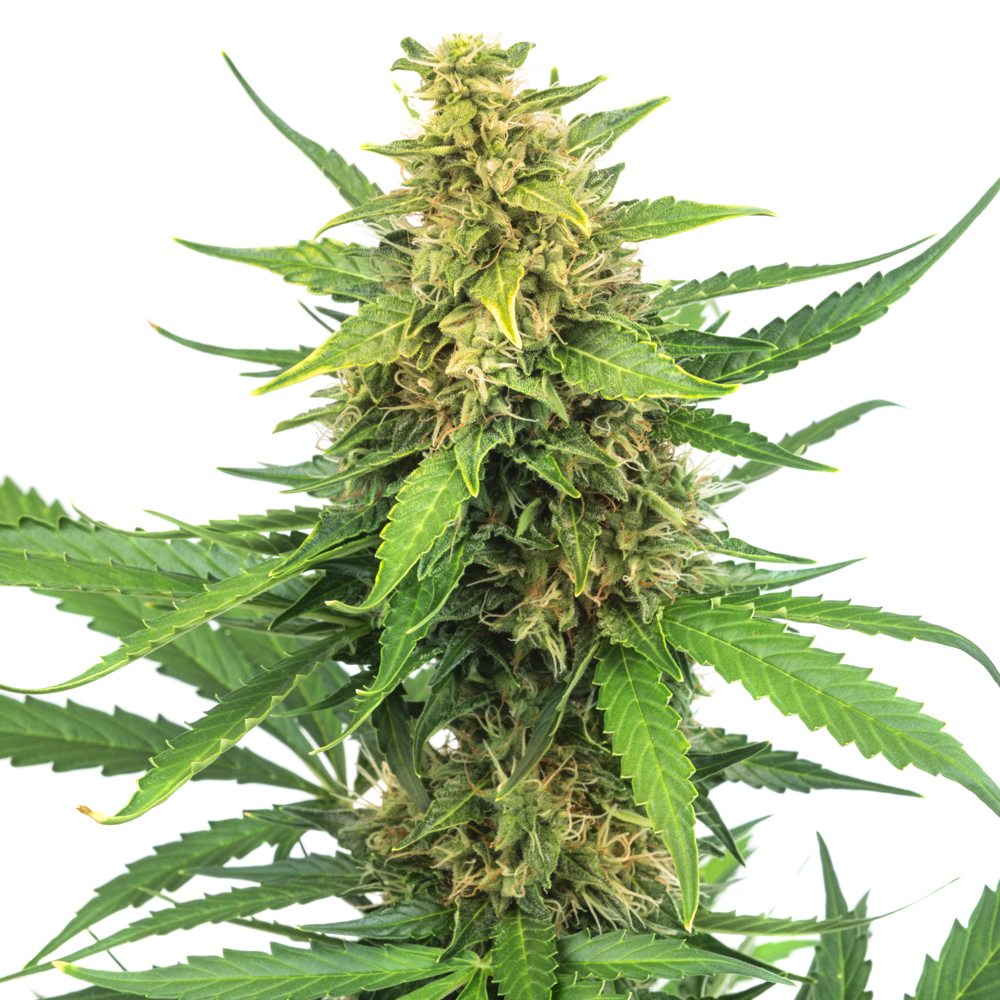
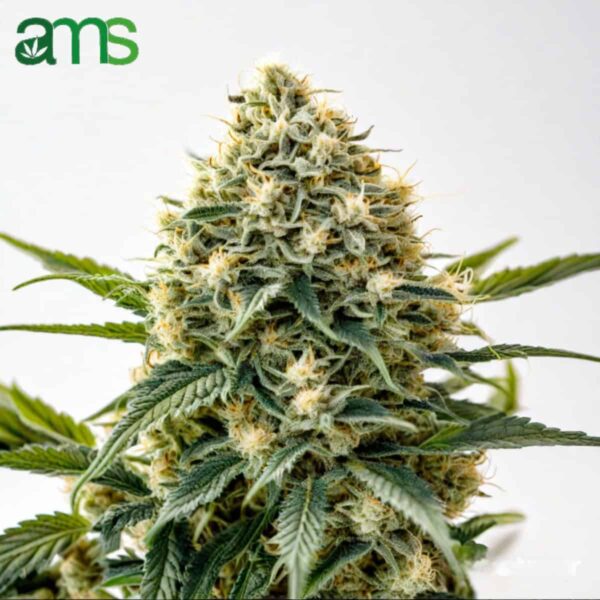
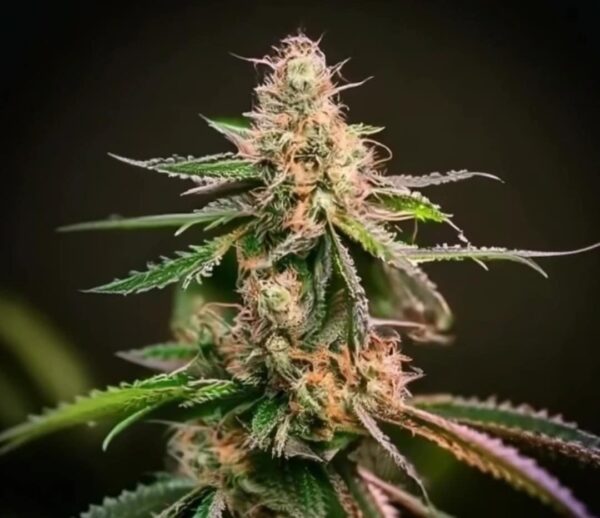
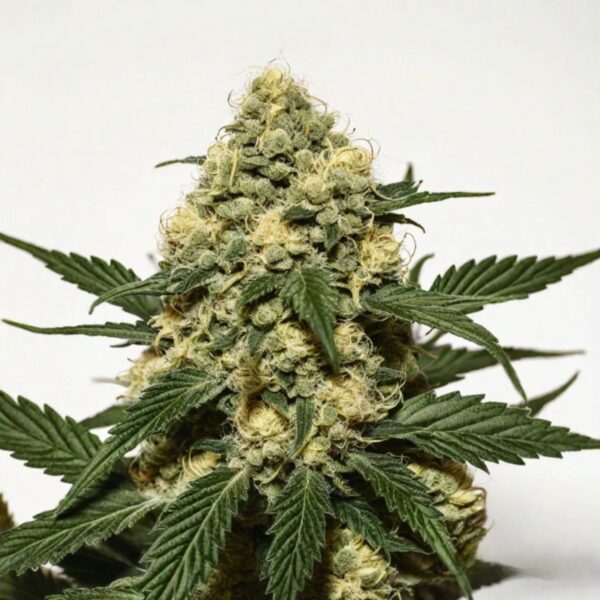
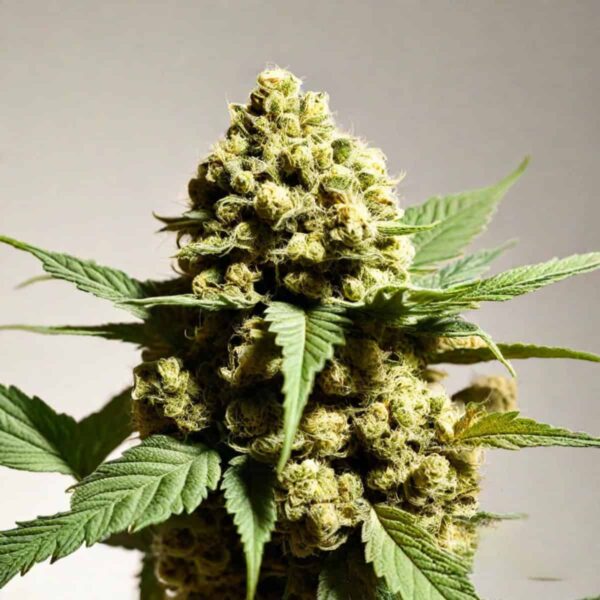
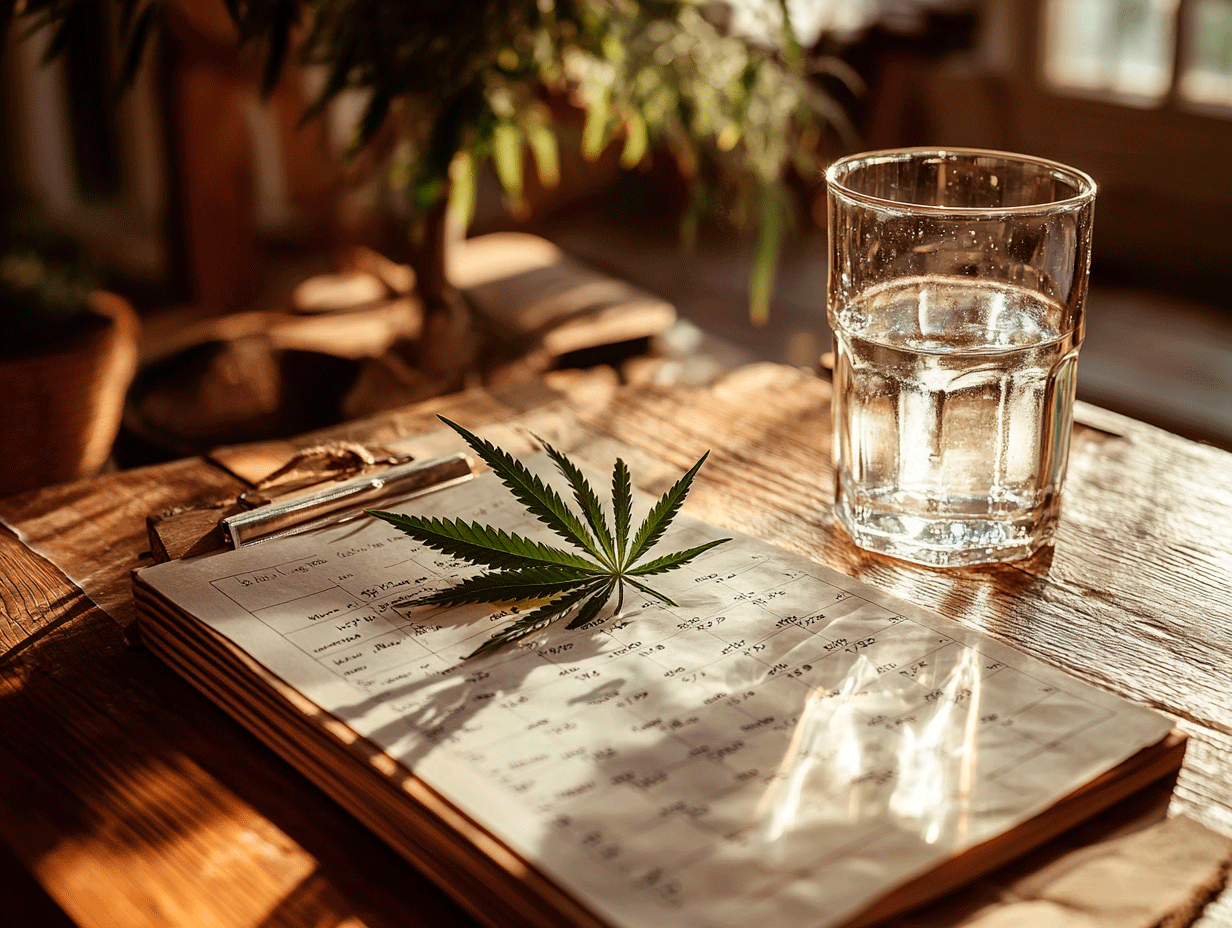
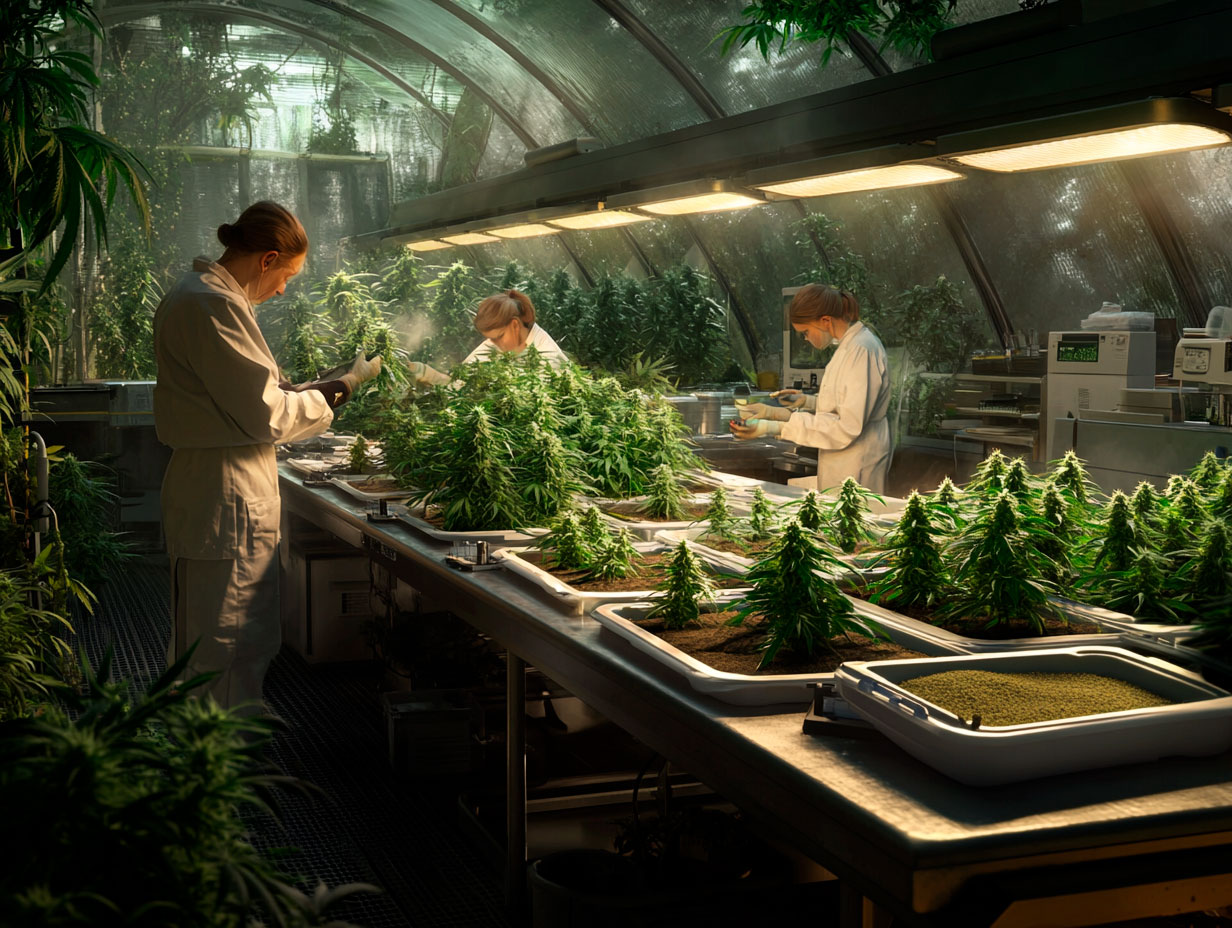
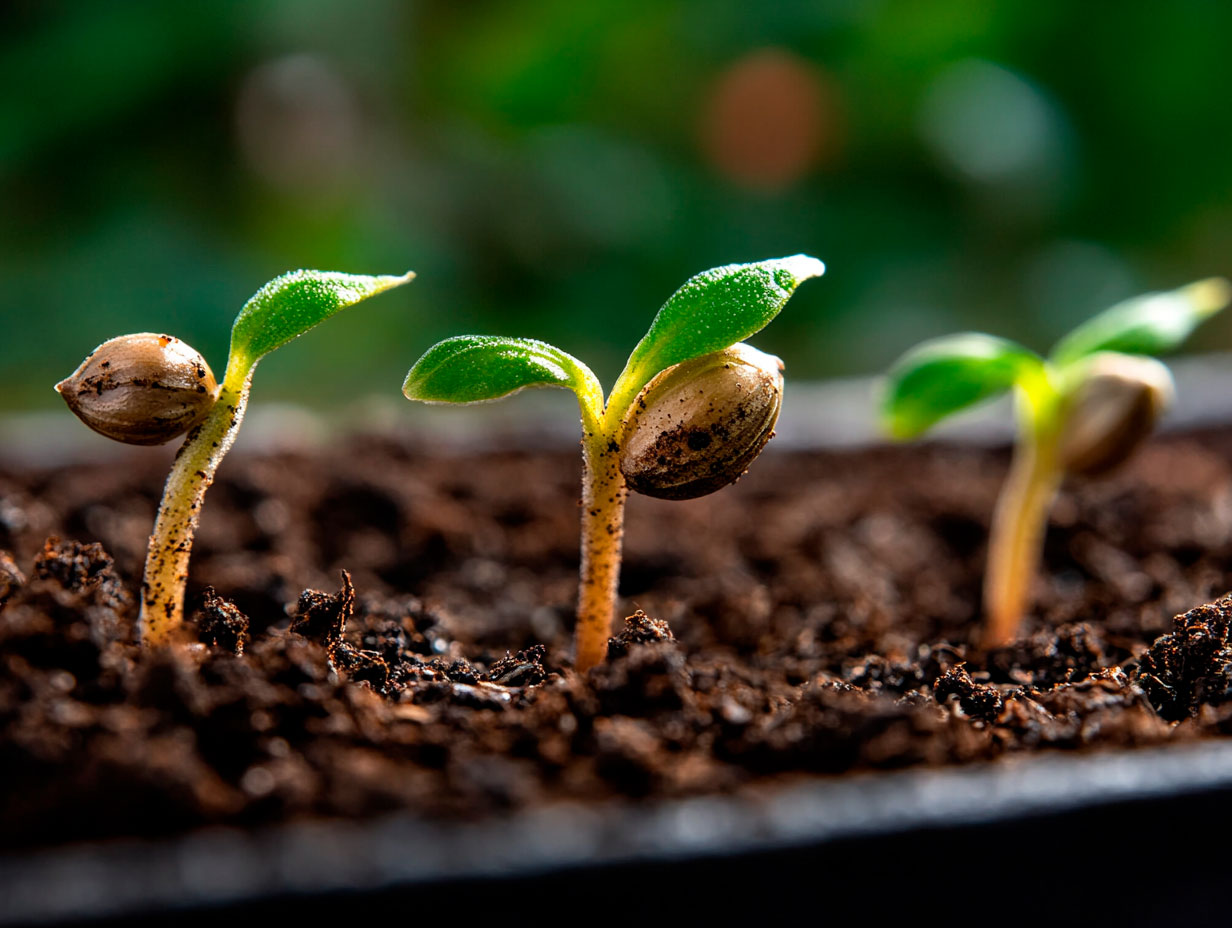
Cannabis leaves are the de facto symbol of weed, besides that they have an important role in the growth and overall development, they help promote the vital process of photosynthesis.
Table of Contents
A 101 course on cannabis leaves — what you should know about weed leaves
Weed cultivators also use cannabis leaves to evaluate the overall health of their plants. If you know what to watch for, cannabis foliage could warn you of nutrient deficiencies, pH issues, or pest infestations. There are even a few practical uses for cannabis leaves that may surprise new cultivators.
A few preliminaries on pot leaves
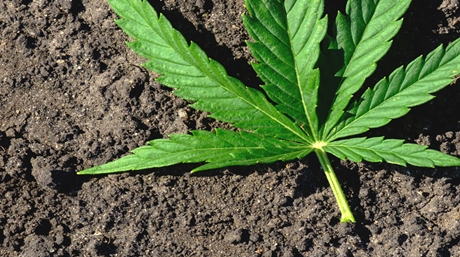
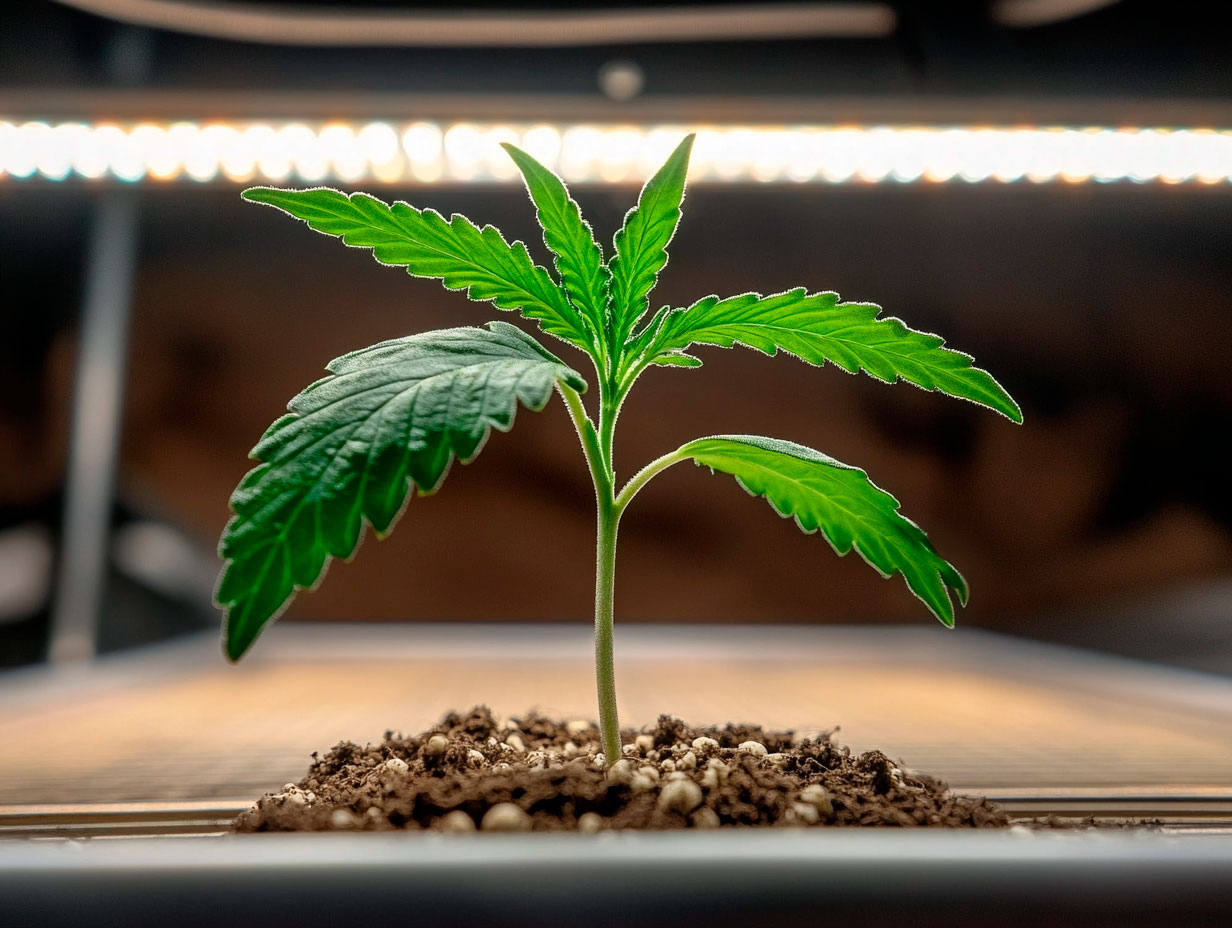
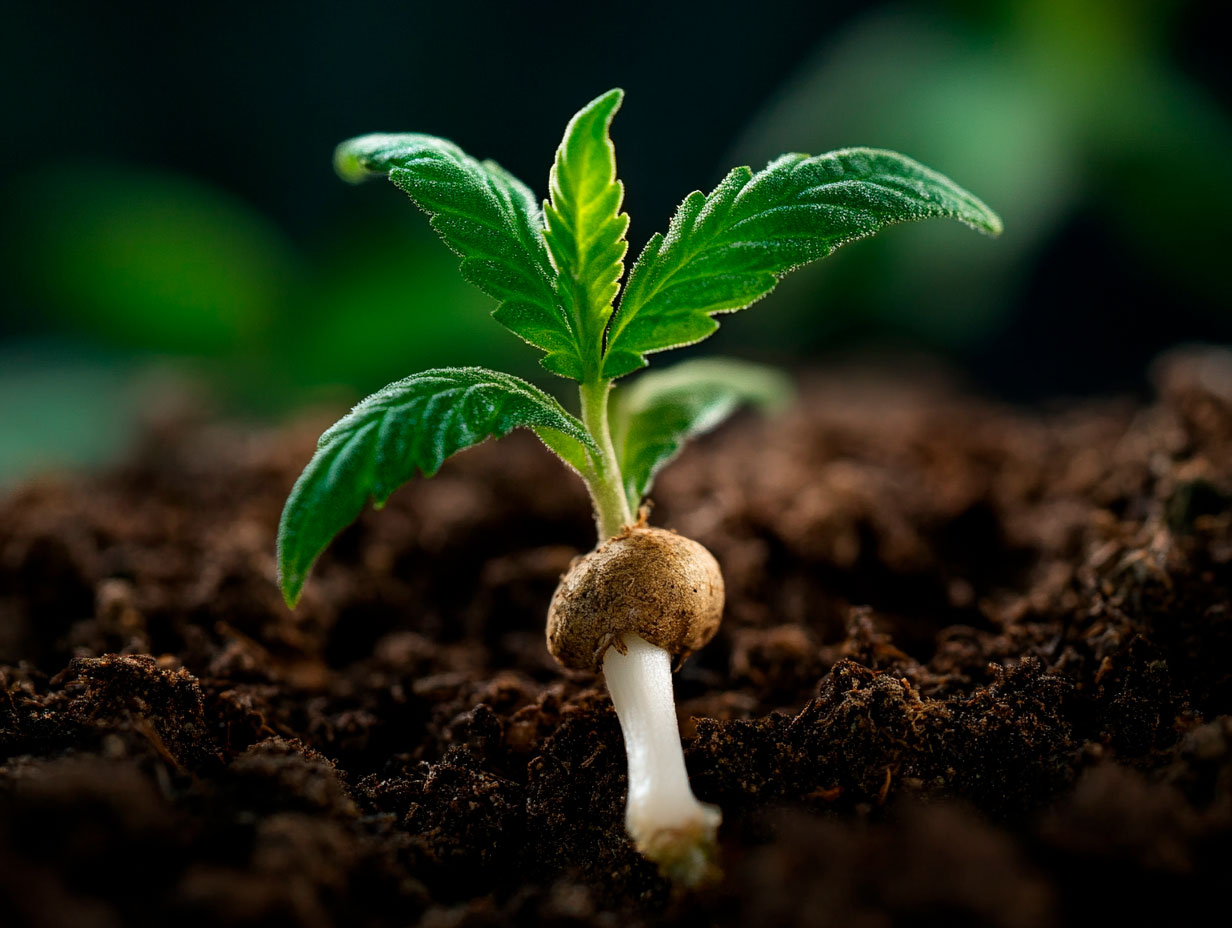
When people talk about “cannabis leaves,” they’re usually referring to the fan leaves that grow out of a marijuana plant’s branches. You should start to see these foliage emerge in the late seedling phase. Most of these fan leaves will have at least five “blades” with serrated edges.
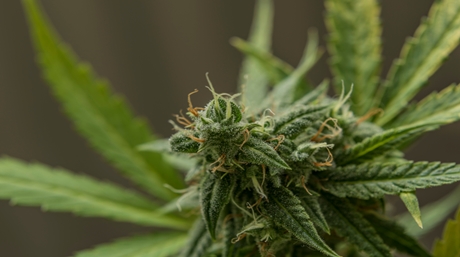
Although “cannabis leaves” and “fan leaves” are often used interchangeably, there’s another significant category called “sugar leaves.” As the cannabis plant matures, you’ll notice the trichome-rich buds appear in the plant’s nodes (between the branches and stem). These leaves are inside bud sites and serve a protective role during flowering. Due to their proximity to cannabis buds, sugar leaves contain a decent amount of cannabinoid-rich trichomes.
What can cannabis leaves tell you?
Most people involved in cannabis cultivation use fan leaves as a barometer of plant health. If all is well with your weed plant, these fan leaves should look “perky” and have a vibrant green color. If these fan leaves start to look brittle, droopy, or discolored, there’s a strong chance something is wrong.
There are dozens, if not hundreds, of potential issues cannabis foliage could signal. However, a few of the most common problems include the following:
- Nutrient deficiencies
- pH imbalances
- Pest or mold infestations
- Over or underwatering
- Harsh light intensity (aka “light burn”)
What diseases can cannabis leaves signal?
As mentioned above, cultivators often use cannabis leaves to track issues like infestations, pH imbalances, and nutrient deficiencies. Arguably, the most common nutrient issue cannabis cultivators run across has to do with nitrogen. If you notice your fan leaves turning a bright yellow color during the vegetative stage, there’s a strong chance it could be related to low nitrogen or poor nitrogen absorption.
Nitrogen is crucial during the cannabis plant’s growth stage, which is why this issue tends to appear during vegetation. However, there are many other nutrient deficiencies fan leaves could signal.
For instance, fan leaves with curled tips with a yellow-brown coloration may be a potassium deficiency. Phosphorus deficiencies also have curled fan leaves, but these tend to have splotches of black, brown, or yellow discolorations.
Since nitrogen, potassium, and phosphorus are the three primary nutrients in cannabis cultivation, they are the most significant for cultivators to keep track of. While cannabis fan leaves could reveal issues with micronutrients (e.g., magnesium and calcium), these will most likely be a concern if cultivators use hydroponics. Since hydroponics rely solely on water, they don’t have the benefit of natural soil nutrients.
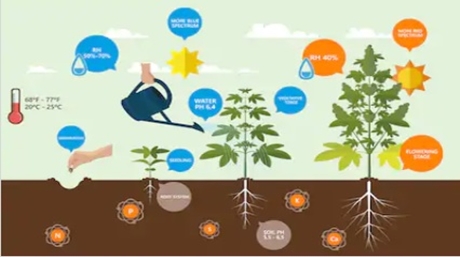
Also, please remember that discolored fan leaves may be related to a pH issue. Cannabis needs the optimal pH to absorb nutrients like nitrogen and potassium. Cultivators always need to monitor if their pH is within the slightly acidic range (5.8 – 6.2) before diagnosing a nutrient deficiency.
Is there a difference between Sativa vs. Indica leaves?
Although there’s a debate surrounding the merits of the Sativa vs Indica distinction, most cultivators agree there are noticeable differences between strains in these families. Sativa strains are generally taller and thinner, while Indicas are short and shrub-like. Interestingly, the fan leaves on these strains also have a unique appearance.
Indica fan leaves tend to be fatter than Sativa leaves. It’s also more likely for Indica fan leaves to have a darker tinge of green versus the light green in Sativa strains. However, there doesn’t seem to be a discernible difference in the number of blades for Indica vs. Sativa leaves.
Can people consume cannabis leaves?
While cannabis fan leaves are edible, most people aren’t keen to try them. First, these leaves don’t have any trichomes, so they won’t have any psychoactive effects. Second, fan leaves have high concentrations of chlorophyll, which gives them an incredibly bitter taste.
However, it’s not unheard of for people to add fan leaves to their diets. Health-conscious consumers in states like California are some of the world’s top promoters of “juicing” fan leaves. Yes, there are now people who add fan leaves to green juices and smoothies! There are even a few adventurous souls experimenting with adding cannabis fan leaves to salads. (I did that myself, only a little, mixed up with the rest you won’t even notice)
Some argue that cannabis foliage contain many similar nutrients found in other greens like spinach, kale, and Swiss chard. While there’s still debate over how healthy fan leaves are, it’s possible to eat them. Just be sure you only consume foliage that have been washed and are free from chemical residue.
Also, please remember that sugar leaves are distinct from fan leaves. It’s common for cannabis cultivators to save sugar leaves and take advantage of their higher-than-average trichome percentage. You may see sugar leaves referred to as “trim” in dispensaries.
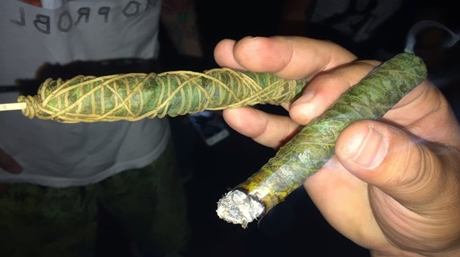
These sugar leaves won’t have as many cannabinoids as buds, but they will deliver psychoactive sensations in joints or bowls. It’s also possible to extract cannabinoids from sugar leaves using DIY methods like a rosin press.
Is it normal for cannabis vegetation to fall during flowering?
A common concern new cannabis cultivators have is that their cannabis foliage start withering away during the late flowering stage. While there’s a chance this could signal an issue, most often it’s nothing to worry about. As the cannabis plant gears up for harvest, it concentrates all of its energy on bud sites. Most likely, the foliage on the bottom of the cannabis plant will turn yellow and fall off at this time.
Note: You should only notice cannabis foliage falling off of the plant near the end of flowering. Cultivators must refer to the average flowering schedule for their strain to ensure everything is on schedule. It’s also crucial for cultivators to continue monitoring pH to prevent nutrient deficiency issues.
Keep your cannabis leaves in check!
Cannabis foliage are way more than a symbol of the marijuana movement. These fan leaves provide vital clues to the health of your hybrids. Also, weed foliage are critical for extracting healing energy from light during photosynthesis. The sugar leaves around cannabis buds also have decent trichomes.
If you’re involved in cannabis cultivation, it’s crucial to pay close attention to these foliage throughout the growth stages. Carefully monitoring your marijuana foliage can save you a lot of headaches throughout the cultivation process.
Cannabis leaves FAQs
What are cannabis leaves?
Cannabis leaves often refer to the multi-blade fan leaves on a weed plant’s branches. However, there are also protective “sugar leaves” that form around bud sites.
What does a healthy cannabis leaf look like?
A healthy cannabis fan leaf should have about five to nine serrated blades and a green appearance.
Despite their lack of trichomes, fan leaves are crucial for every cannabis plant’s development.
What can people do with cannabis leaves?
Most cannabis cultivators collect sugar leaves to either smoke or extract cannabinoids. While cannabis fan leaves are edible, most cultivators throw them away or use them in compost.
Why do cannabis leaves matter?
Cannabis leaves help absorb sunlight and are vital for photosynthesis. Growers could also use fan leaves to see warning signs of diseases or deficiencies.
What is cannabis leaf trim?
Cannabis trim is non-bud plant particles that are pruned during harvest. Most often, this refers to cannabinoid-rich sugar leaves.