

Recently, there has been a notable increase in interest in medicinal marijuana in Europe, leading to regulatory changes in several countries. However, these changes have occurred at the national level in each Member State, creating a heterogeneous landscape that requires standardization. Currently, several European countries have legal frameworks allowing for the sale and distribution of cannabis-derived products for medicinal purposes. In addition to following the conventional EU drug approval procedures established in Directive 2001/83/EC, some countries have adapted their regulations at the national level to establish simplified registration procedures to facilitate faster patient access to these products and medicinal preparations.
The United Nations (UN) legal framework currently consists of three agreements that establish international regulations to monitor the production, trade, and possession of around 300 psychoactive substances, including cannabis. In 1961, the Single Convention on Narcotic Drugs adopted and globalized the system of control over narcotic substances from previous treaties, defining narcotic substances as natural or synthetic substances listed in Schedules I and II attached to the convention. Under this system, cannabis was categorized as one of the most harmful drugs. However, by late 2020, the UN Commission on Narcotic Drugs removed both “pot plant” and “pot resin” from Schedule IV of the Single Convention on Narcotic Drugs of 1961, where they were listed along with other substances of risk and little therapeutic value. This change marked a significant milestone in recognizing the medical potential of marijuana.
Within the European legal and regulatory framework, the European Medicines Agency (EMA) defines and classifies cannabis-based products into three distinct categories:
1. Medicinal products derived from cannabis: These are products that, like other plant-derived medications, may contain isolated active substances, plant-based substances, or plant-based preparations, with specific quality standards. These preparations are often complex and have their own, regulations.
2. Herbal substance-based: This includes typical herbal substances derived from marijuana, such as flowers (weed flos) or resin (weed resin), as defined in Directive 2001/83/EC and the European Pharmacopoeia monograph on herbal substances.
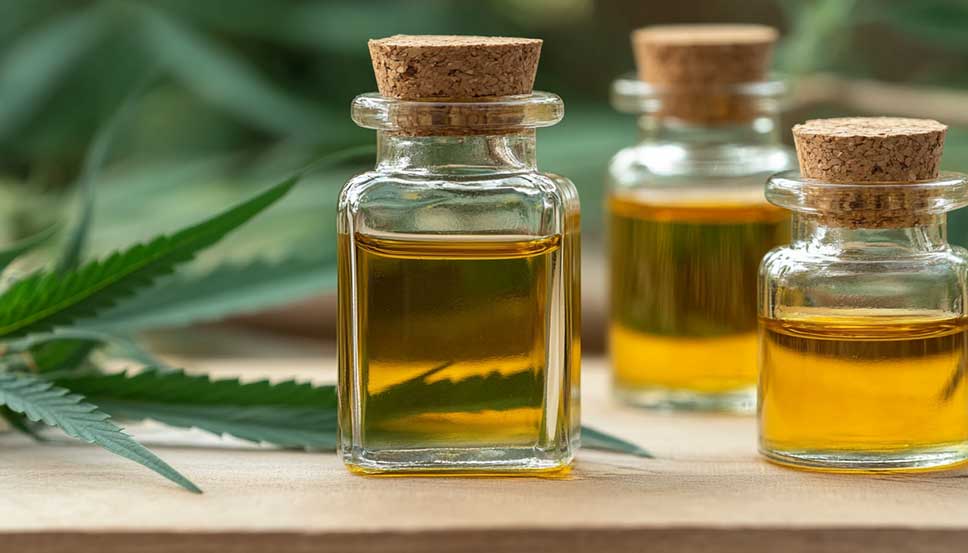
3. Herbal preparation-based: This encompasses crushed or powdered substances, tinctures, extracts, essential oils, expressed juices, and processed exudates derived from plants.
The safety and efficacy of these substances depend on the composition of individual cannabinoids, such as the ratio between Δ9-tetrahydrocannabinol (THC) and cannabidiol (CBD) leading to the recognition of three distinct groups of products.
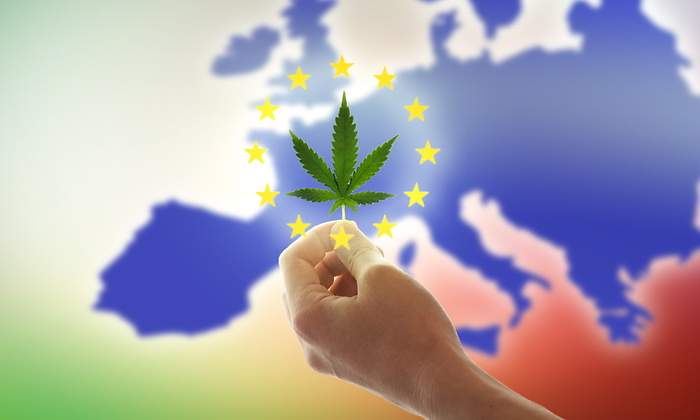
In the European Union, medicinal products intended for human use can obtain authorization through different procedures, either through a centralized process or through national authorities via mutual recognition, decentralized, or national procedures. To apply for marketing authorization, laboratories must submit documentation supporting the quality, safety, and efficacy of the product. This documentation must comply with the regulations established in Directive 2001/83/EC and follow relevant scientific guidelines, as well as the legal basis chosen by the applicant.
Specifically for cannabis-derived products, Good Agricultural and Collection Practices (GACP) and specific scientific guidelines for herbal substances must be taken into account, which are usually, detailed in individual monographs of the European Pharmacopoeia or in pharmacopoeias officially used in EU Member States. These monographs provide detailed information on the definition, description, identity, purity, and dosage assays of herbal substances.
Some EU Member States, such as Denmark, Italy, the Netherlands, and Germany, have already published monographs in their respective national pharmacopoeias. Additionally, the EMA’s Committee on Herbal Medicinal Products (HMPC) has proposed new monographs to be studied and evaluated by its members and observers, including one on marijuana flowers and two on marijuana extracts. These monographs are intended to be officially included in the European Pharmacopoeia in July 2024.
Regarding the regulation of medicinal marijuana in the Member States, three groups can be identified: those with established or approval-pending legislation, those allowing the supply of pot products under specific conditions or having pilot programs, and those where the use of these substances remains illegal. Examples of countries within each group include Germany and Portugal, Denmark and France, and Sweden, respectively.
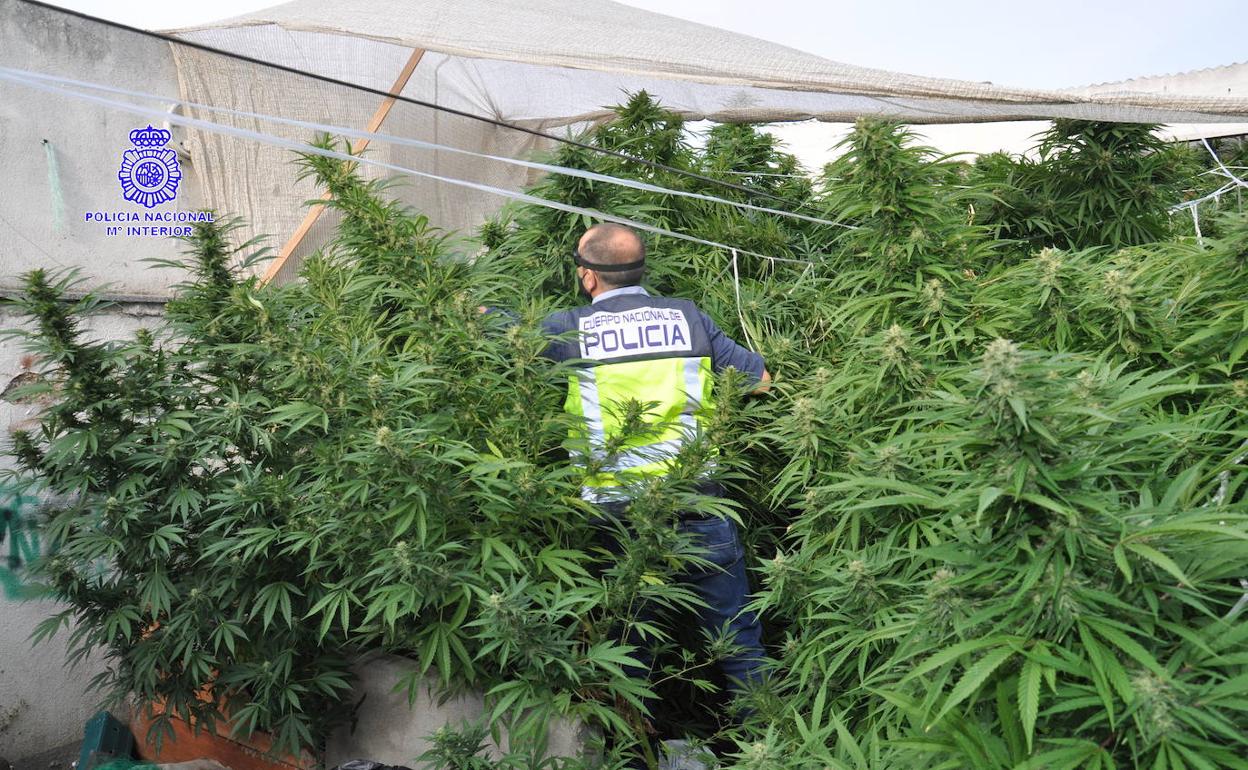
In 2017, Germany passed the “Marijuana as Medicine Act,” expanding prescription options for pot-based products. This includes registered medicines with active ingredients derived from cannabis and the possibility for doctors to prescribe medicinal marijuana flowers or pharmaceutical-grade extracts. The dispensing of flowers to patients is governed by both local and European regulations. The Cannabis Agency was established to oversee controlled, production and distribution of pot flowers in German pharmacies.
On the other hand, Portugal legalized the therapeutic use of marijuana in 2018, regulated by INFARMED. Pot-based medicines, preparations, and substances must have authorization and therapeutic approval from INFARMED. Three categories of products were established: medicines, substances, and pot-based preparations, all subject to marketing authorization. Although Portugal has authorized some pot-based medicines, the availability of products remains limited.
Countries such as the Netherlands, Italy, and Poland have also established legal frameworks for medicinal marijuana. Other countries like Denmark, Ireland, and France are conducting pilot programs to evaluate the medicinal use of pot, limited to previously authorized and medically prescribed products.
In Spain, the use of medicinal cannabis is not widelly regulated, and legal cultivation is mainly for export. Although legislative efforts have been made, no new pot medicines have been approved nationally beyond Sativex® and Epidyolex®. The most common therapeutic indications for marijuana include the treatment of chronic pain, epilepsy, and painful spasticity.
In November 2018, the United Kingdom legalized medicinal marijuana through a legal reform that reclassified cannabis-derived products for medical use, removing them from a restrictive list and regulating them more strictly. These products are divided into two categories: pot-based products for medicinal use in humans and medicinal pot-based products. Under certain circumstances, the prescription of unlicensed cannabis-derived products is permitted. In Switzerland, from 2011 to 2022, medical marijuana use was allowed under exceptional circumstances under supervision, but a new law in August 2022 allowed its prescription by doctors without the need for special authorization. The cultivation, production, processing, and trade of medical cannabis in Switzerland are subject to authorization by Swissmedic.
Last Monday marked the entry into force of a new law in Germany, approved by the German Federal Council, legalizing recreational marijuana use for adults over 18 years old. This measure was celebrated by activists and supporters during an event called ‘Smoke-In’ in front of the Brandenburg Gate in Berlin. The legislation allows for the possession of up to 50 grams of weed at home and up to 25 grams in public for personal use. However, cultivation and distribution are restricted to cultivation associations, known as Cannabis Social Clubs. Additionally, adults are allowed to have up to three plants at home. Public consumption has certain restrictions, such as specific hours and a minimum distance from school centers.
This measure follows the path of countries like Malta and Luxembourg but contrasts with countries like France or the Netherlands, where the use of hashish is illegal but tolerated in designated places. The main aim of the law, according to the German Health Minister, is to combat illegal marijuana trafficking and ensure a safe and quality product for users.
However, the new law faces criticism from the police and the German Federation of Judges due to concerns about bureaucracy and increased workload. Additionally, conservative opposition has warned that the law could have counterproductive effects and alienate citizens.
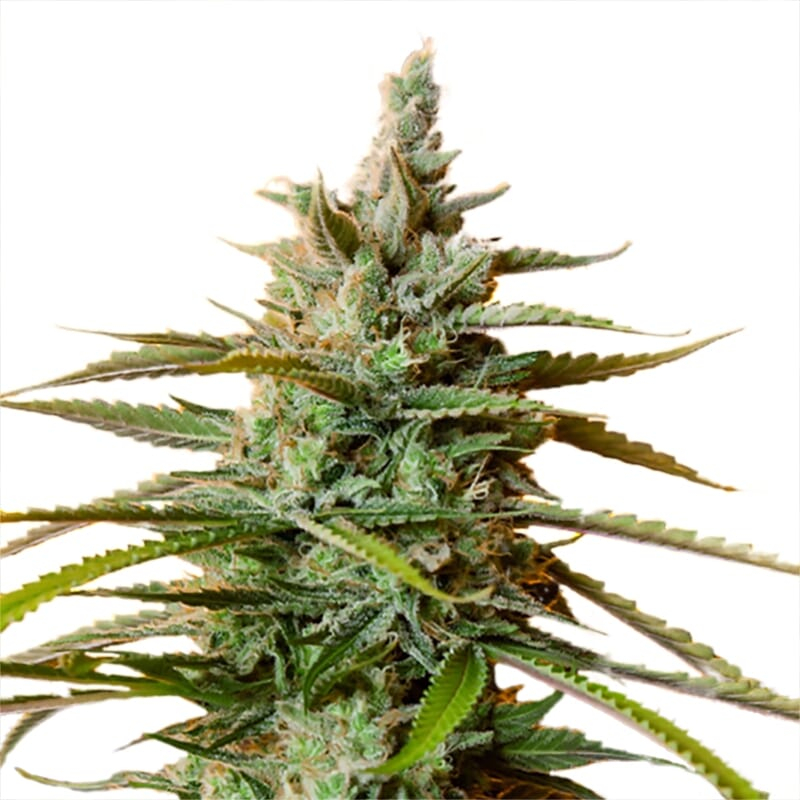
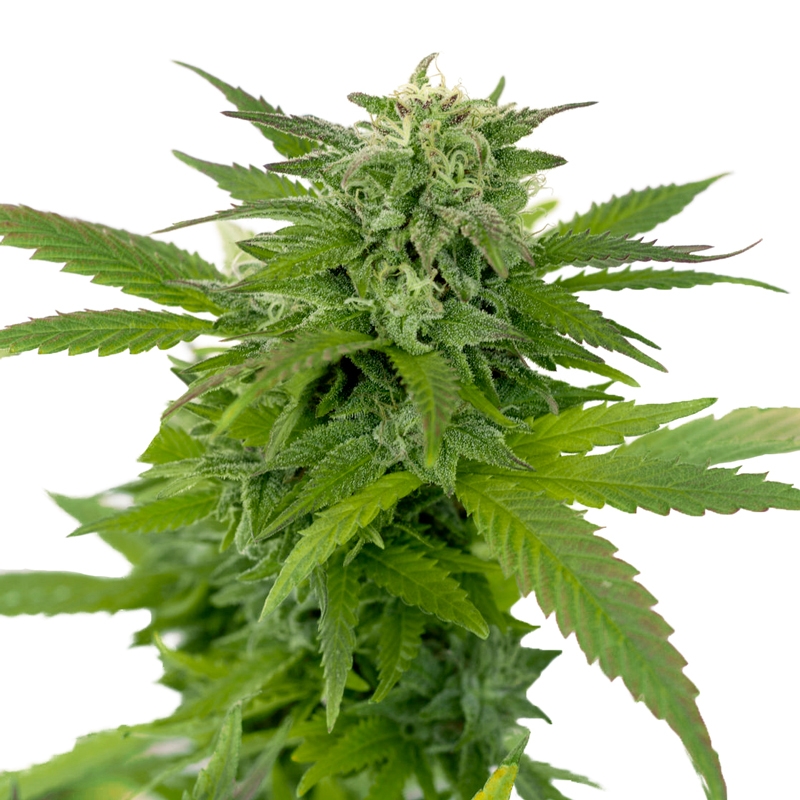
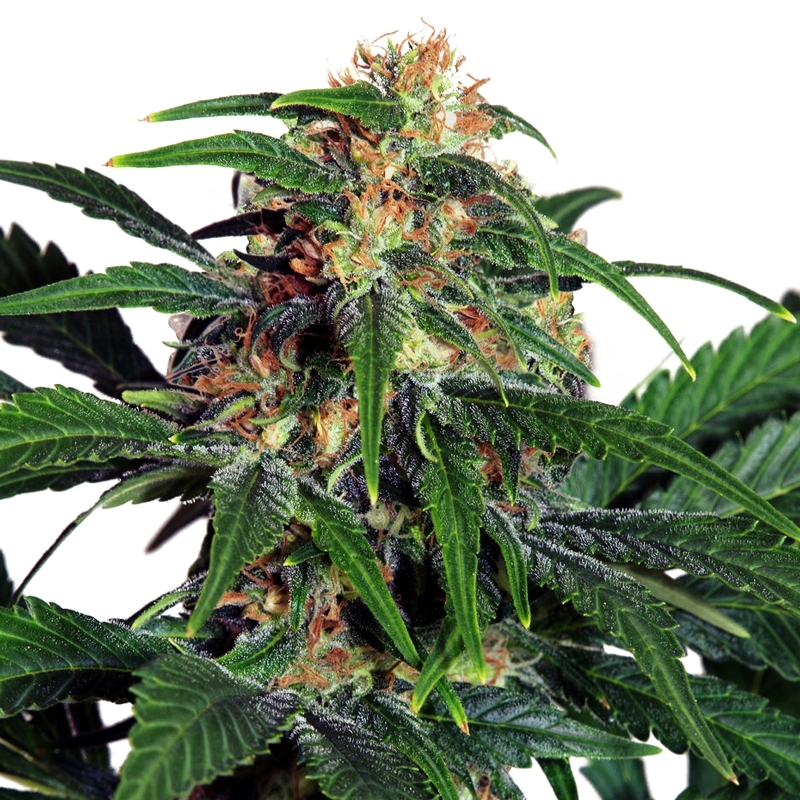
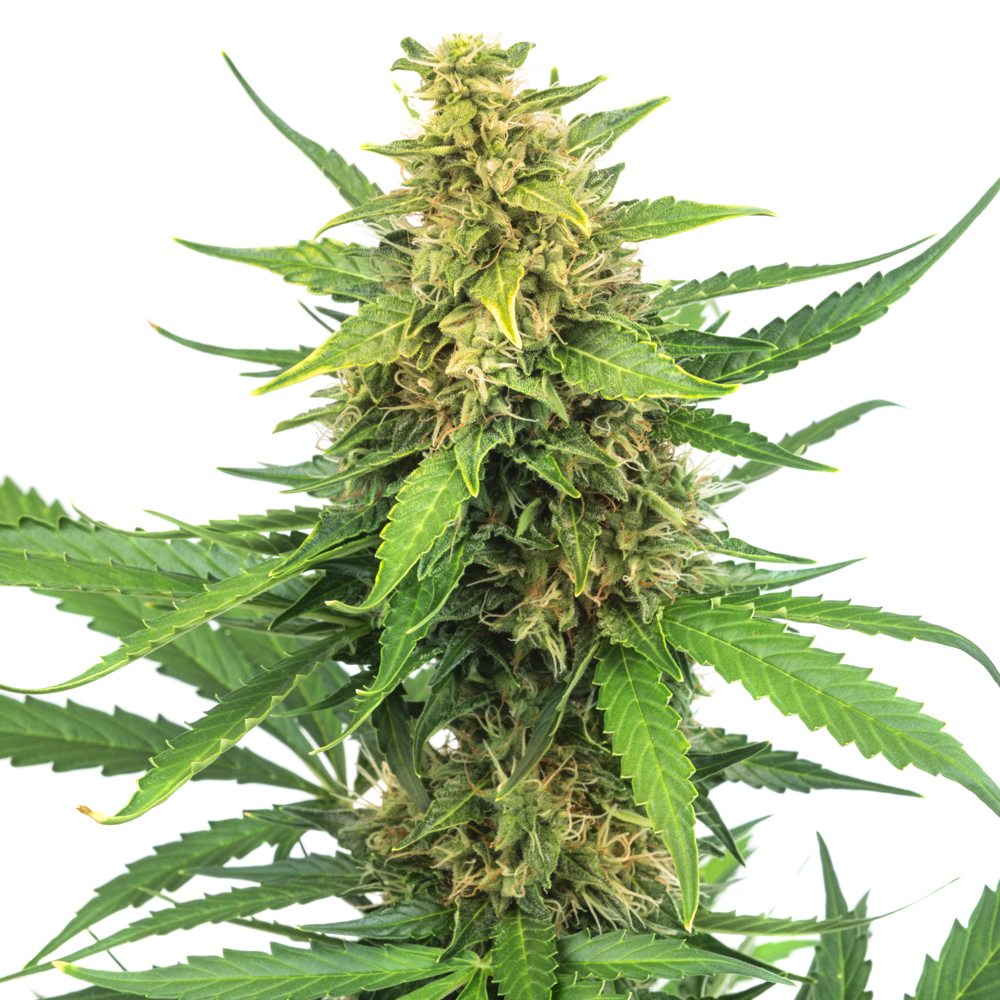
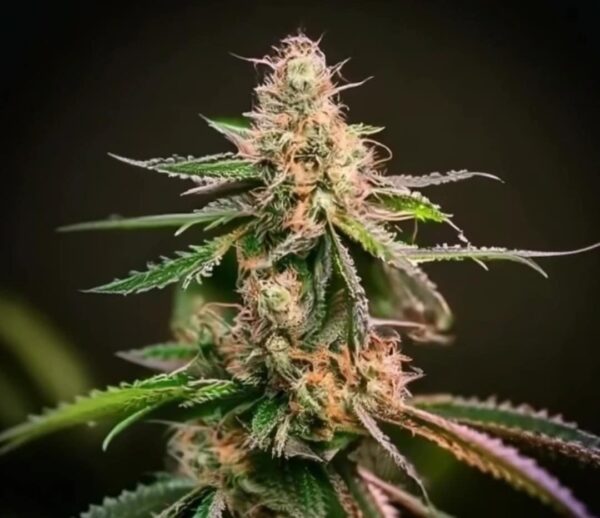
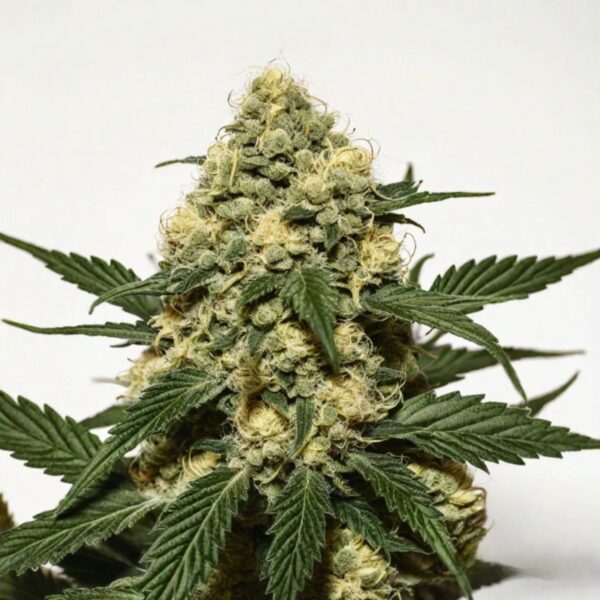
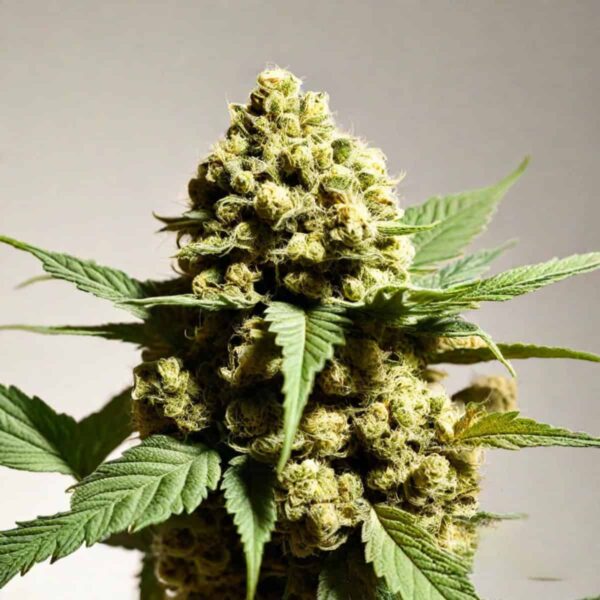
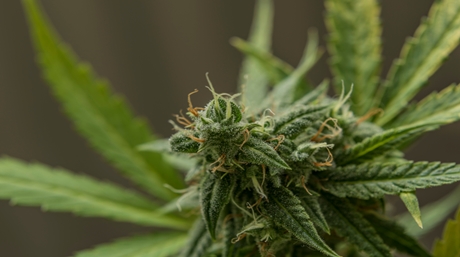


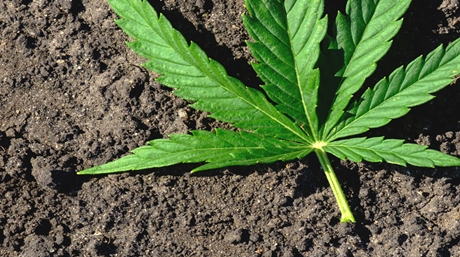

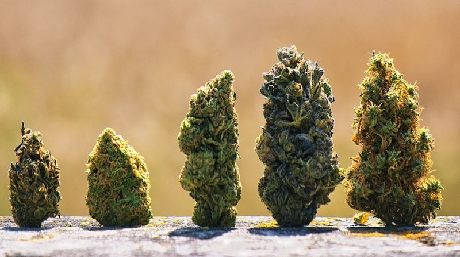
These new strains have desirable qualities and have gained popularity. Some strains are most popular because of the high THC percentage. Other strains have gained popularity because of their cultivation success rate. Whatever the reason, I am going to present to you the most popular strains.
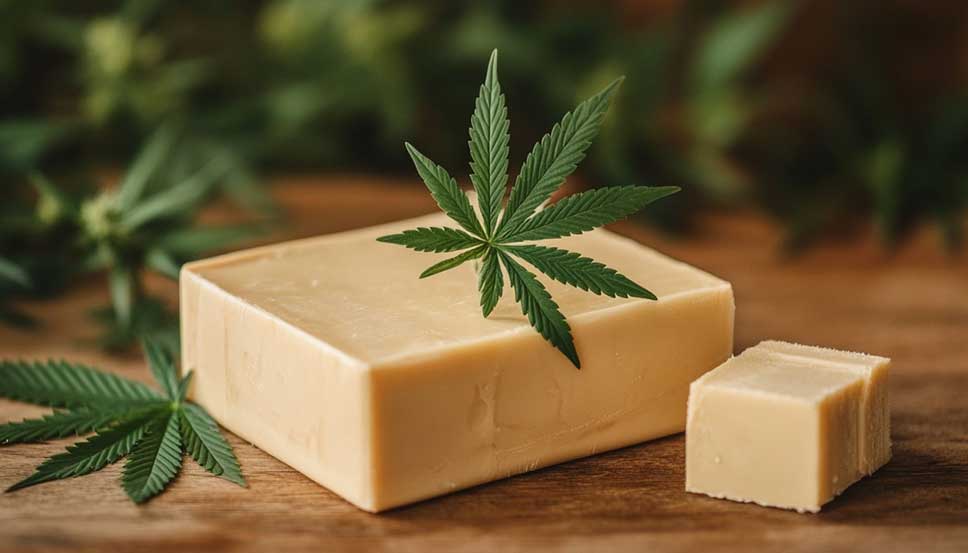
The most common role of butter is baking, and a good hash butter recipe will take your edibles out of this world with enhanced flavor and increased potency! So, are you looking for a tasty hash butter recipe? I have tried several recipes, but the following recipe is by far my favorite. And it only takes 20 minutes to make!
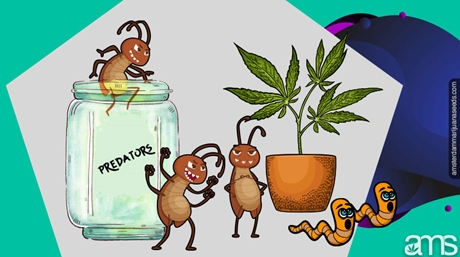
There are many different kinds of pests that can harm a grower’s garden, though leaf insects are by far one of the most annoying. Leaf miners create tunnels that drill through the center of leaves, making mines that are then exposed to the disease. Leaf miner infestations arent too serious, though, if left untreated, may drastically reduce yields. Here an explanation into what these critters actually are, as well as how to prevent them from attacking your beloved plants: