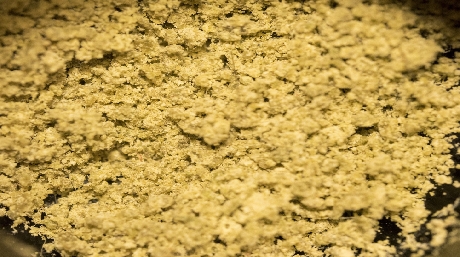


Hashish, also known as hash, represents a highly concentrated form of cannabis, derived from kief, which is a collection of loose trichomes or resin. Unlike common marijuana, hashish offers more potent effects. This term is commonly abbreviated as “hash” and is known by other names such as “dry herb” or “hay,” depending on the location. Throughout history, hashish has been used under different denominations such as bhang and charas.
Hashish, originating in the Middle East, is an Arabic word and was prohibited for centuries due to Islamic restrictions. It comes from the sticky resins of cannabis buds, also called trichomes, which contain high levels of tetrahydrocannabinol (THC), the active component responsible for the intoxicating effects of hashish. THC levels in hashish concentrates can reach up to 80%, four times more than the typical amount in unconcentrated cannabis.
Hashish is typically consumed by smoking, but it can also be prepared in edibles with cannabis concentrates. There are various varieties of hashish, such as Bubble Hash, Rosin, Shatter, Wax, Crumble, Budder, Dry Sift Hash, and Butane Hash Oil (BHO). All share fragrant aromas and intense flavors due to trichomes containing cannabinoids, terpenes, and flavonoids.
Differences between types of hashish may be attributed to their production method or purity. For instance, Bubble Hash uses ice water to separate trichomes, while honey oil is the most concentrated form with the least amount of plant material.
Hashish, having higher THC concentrations than unconcentrated cannabis, can be beneficial for treating pain, especially neuropathic pain. Studies suggest that THC-rich cannabis may aid in various medical conditions such as cancer, multiple sclerosis, nausea, insomnia, anxiety, among others. However, it is advisable to consult with a doctor before using hashish products, especially if taking other medications.
Hashish consumption presents risks similar to unconcentrated cannabis but intensified. Although no fatalities have been documented from hashish consumption, it is crucial to consume it in moderation and with caution to avoid unwanted side effects. Possible side effects include confusion, paranoia, increased appetite, impaired motor control, changes in heart rate, red eyes, dry mouth, among others. Consulting with a doctor before recreational hashish consumption is essential to ensure a safe experience.
Different methods have been employed over time for the preparation of hashish, from ancient practices such as rubbing fresh flowers or dry sieving to more modern methods such as ice and water separation, dry ice, static electricity, heat and pressure, and acoustic vibrations, aiming to obtain a purer product.
A study conducted by Jean-Jaques Filippi, Mariel Marchini, Céline Charvoz, Laurence Dujourdy, and Nicolas Baldovini in 2014 linked the distinctive flavor of hashish, with an alteration of myrcene during its manufacturing process.
The legality of cannabis has been the subject of debate and controversy for decades worldwide. Almost all countries have laws related to its cultivation, possession, sale, and consumption. While non-psychoactive products such as fiber and seeds are legal in many places, those with high THC content are considered controlled substances in most countries, with exceptions for medicinal use. Arguments have been made for changes in its regulation due to the perceived failure of prohibitionist and law enforcement policies.
The quality of hashish can vary considerably and can be determined by various indicators. Smell is one of the main ones, with high-quality hashish having a fragrant and aromatic aroma, while low-quality hashish may have a stale or moldy odor. Sticky consistency may indicate the addition of oils to increase the weight of the product, while a greener interior color may suggest a higher content of plant material.
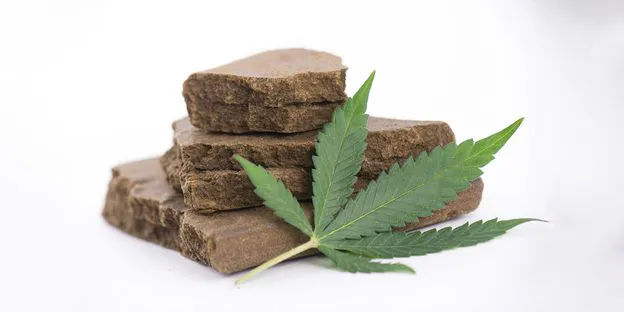
Hashish, also known as hash or chocolate due to its characteristic brown color, produces psychotropic effects similar to marijuana but with additional cognitive impacts. Effects can be both short and long term and include sensory distortion, poor coordination, difficulty breathing, anxiety, dry mouth, and eye irritation. Excessive consumption can result in intoxication, with symptoms such as panic attacks, vomiting, and tachycardia. Prolonged consumption can have harmful and dangerous effects, such as memory loss, concentration, and lung damage.
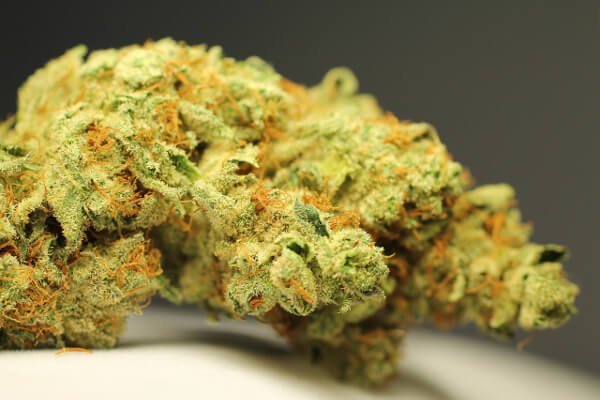
Marijuana and hashish, two derivatives of cannabis, present notable differences that are essential to understand before consumption. Primarily, they are distinguished by their concentration of THC, the psychoactive component of cannabis. While marijuana comes from the dried flowers of the plant, hashish is made from its resin, with the latter being more potent and versatile in its forms of consumption, such as smoking, vaporizing, or ingesting.
Both substances can trigger side effects such as anxiety or paranoia, especially in individuals predisposed to mental disorders, underscoring the importance of consuming them responsibly.
Marijuana, commonly of the Cannabis sativa variety, is consumed by smoking and can be extracted through methods such as dry sieving or solvent use. On the other hand, hashish, more potent and generally made from Cannabis indica, is produced in various countries and can be presented in forms such as pressed, sieved, or extracted.
Regarding varieties, marijuana is divided into subspecies such as sativa, indica, and Ruderalis, each with different characteristics and effects. In contrast, hashish comes in types such as pressed, sieved, or extracted, with popular variants like Afghan or Moroccan. Consumption methods vary, with marijuana consumed in cigarettes, bongs, or vaporizers, while hashish is smoked or vaporized, with ingestion in food being less common.
The effects of hashish, three times more potent than marijuana, are more intense and can include feelings of euphoria, but also anxiety or paranoia, highlighting the importance of moderate and conscious consumption. Quality and purity are factors to consider in both substances, aiming to acquire them from reliable sources free of impurities to avoid legal and health problems. Regulations regarding consumption vary by country, underscoring the need to be aware of them before use.
While marijuana and hashish share their origin in cannabis, they present significant differences in potency, forms of consumption, and effects, emphasizing the importance of information and moderation in their use.





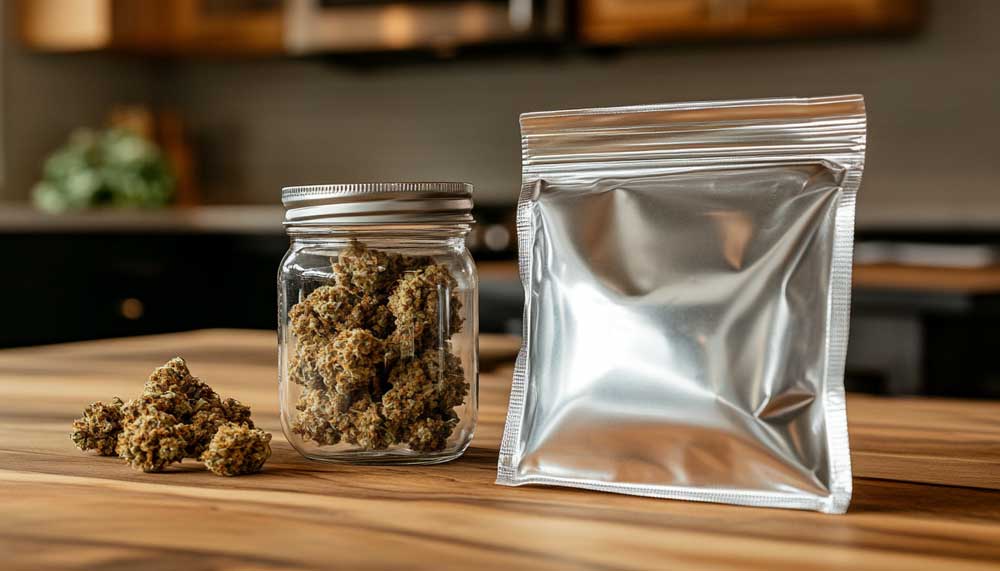
Does weed have to be in a bag to stay fresh? Not really—but storage matters more than you think. This guide explores what happens when you use a bag, what kind is best, and which alternatives (like jars or vacuum-sealed containers) actually protect your weed’s flavor, potency, and shelf life.
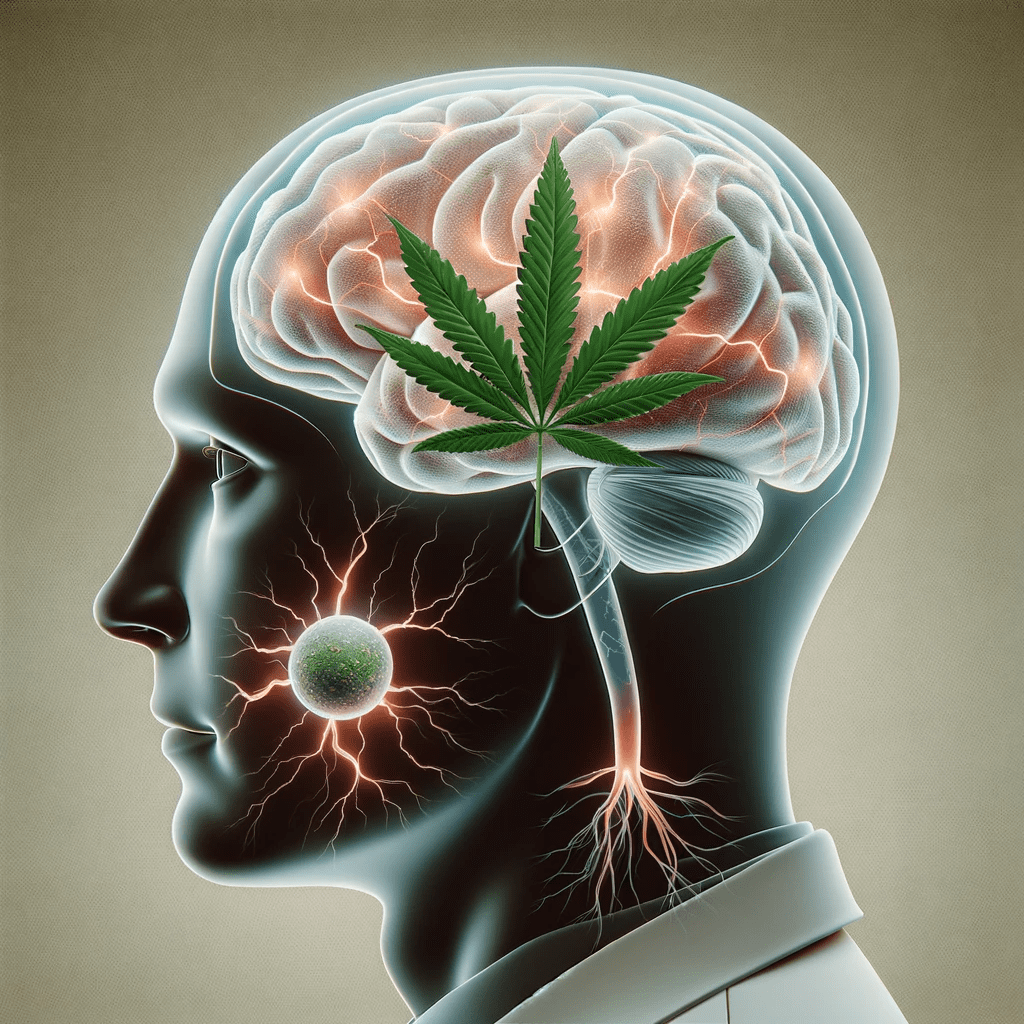
This article delves into the therapeutic use of cannabidiol (CBD) for epilepsy, highlighting its proven efficacy in specific syndromes, the need for medical guidance, and its impact on patients’ quality of life. It discusses CBD’s application, effectiveness, and the significance of specialist consultation in its use.
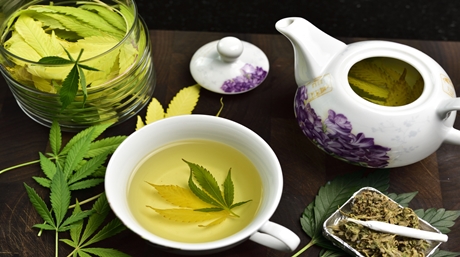
Recreational and medicinal cannabis are usually consumed in the usual, old way: by smoking, eating as edible, or by vaping. But consuming cannabis through tea is not that common. While tea is a very good alternative to smoking. And did you know that it has many more health benefits?