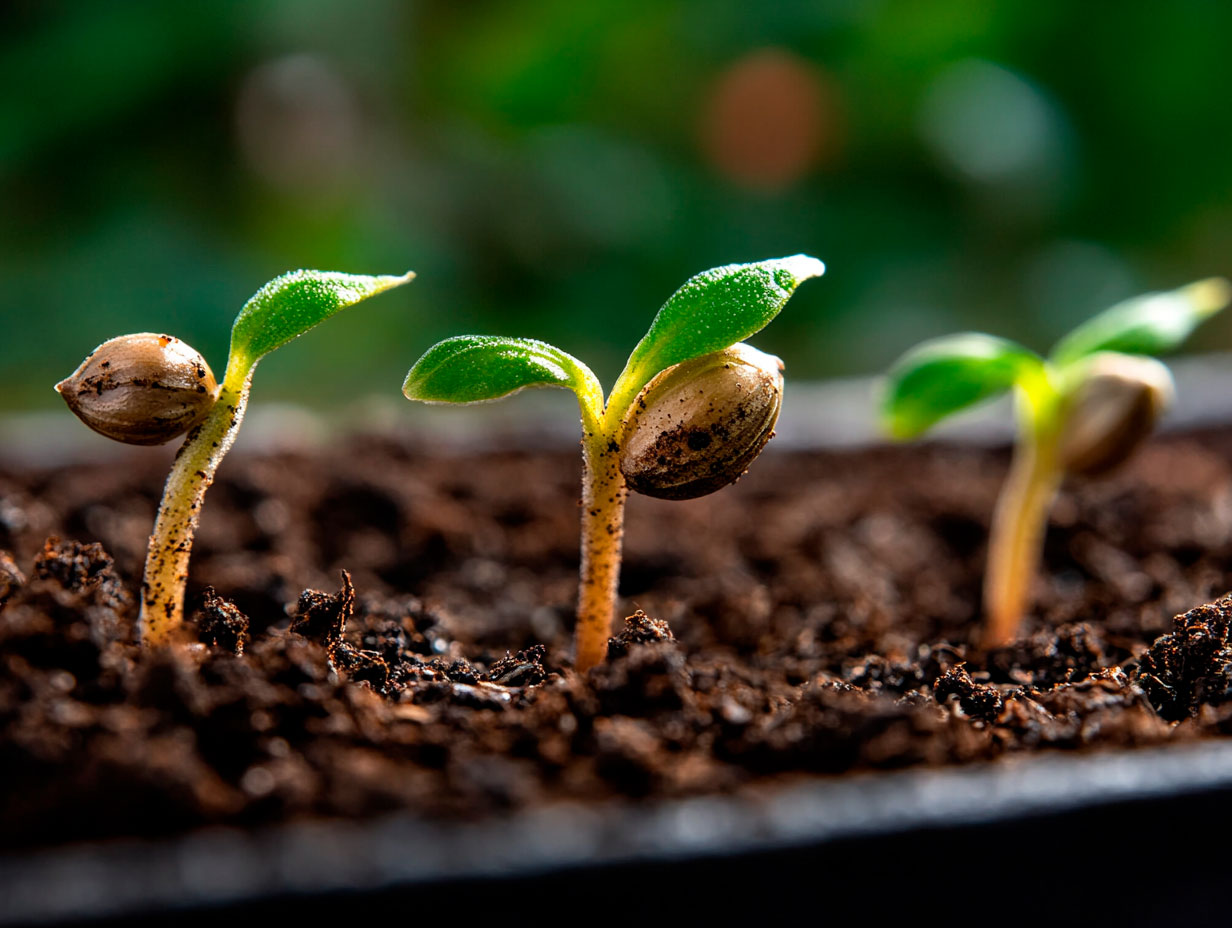


Ever wondered what temperature does THC burn? It’s not just a fun fact—it’s essential knowledge if you want to get the most out of your cannabis. Whether you’re vaping, smoking, or making edibles, temperature has a direct impact on the effects, taste, and overall efficiency of your weed.
Too much heat, and you risk destroying cannabinoids and terpenes that contribute to both the high and the therapeutic benefits. Too little, and THC might not even activate, leaving you with a weak or disappointing result. It’s all about hitting that sweet spot.
In this guide, we’ll explore the exact temperature at which THC starts to burn, how to avoid combustion, and why precise heat control is the key to unlocking the full potential of your flower. If you’re serious about optimizing your cannabis experience, understanding how heat works is where it all begins.
THC, or tetrahydrocannabinol, is the main psychoactive compound in cannabis. It begins to evaporate—or more technically, vaporize—at around 157°C (315°F).
This is the sweet spot where THC activates without combusting the plant material. However, if the temperature rises significantly above this point—especially over 230°C (446°F)—you enter combustion territory. At this stage, the plant matter burns, and the smoke can contain harmful byproducts.
Knowing what temperature does THC burn helps you fine-tune your vape settings or smoking habits for a cleaner, more efficient experience. It also helps you preserve other sensitive compounds like terpenes, which are destroyed at high heat.
Once you understand what temperature does THC burn, it’s worth exploring how other cannabinoids respond to heat. Each one has a different boiling point, and that determines when—and how—it activates during vaping or combustion.
Each cannabinoid adds a different layer to your cannabis experience. Adjusting your device to the right temperature lets you prioritize certain effects—whether you’re after calm focus or deeper relaxation.
Some strains are richer in certain cannabinoids than others, so it’s worth checking out trusted genetics. You can find a wide variety of options in the high-THC seed collection or explore diverse cannabinoid profiles across the full AMS seed catalog.

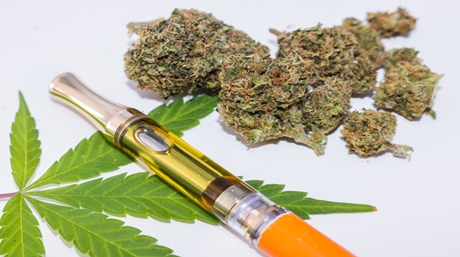
To better understand what temperature does THC burn, it helps to compare two common ways of consuming cannabis: combustion (smoking) and vaporization (vaping).
Combustion involves directly burning the plant material with a flame, usually at temperatures well above 400°C (752°F). This not only burns THC but also destroys terpenes and creates smoke containing harmful byproducts such as tar and carcinogens.
Vaporization, on the other hand, heats cannabis at lower, controlled temperatures (typically 160–220°C). This allows THC and other cannabinoids to evaporate without burning the flower, delivering the active compounds in vapor form instead of smoke.
Vaporizing can preserve flavor, reduce irritation, and maximize cannabinoid efficiency—especially if you’re using premium flower like those found in our high-THC strains, which benefit from careful temperature control.
| Combustion (Smoking) | Vaporization (Vaping) | |
|---|---|---|
| Method | Direct flame | Controlled heat |
| Temperature | 400 °C or more | 160–220 °C |
| Smoke produced | Yes (with tar and toxins) | No, only clean vapor |
| Preserves terpenes | No | Yes |
| THC efficiency | Lower (some lost in combustion) | Higher (better extraction) |
| Lung irritation | High | Low |
If you’ve been wondering what temperature does THC burn, the next question is: how do you use that info to get the best experience? The answer lies in adjusting your vaporizer temperature depending on the effect you’re after—mental, physical, or balanced.
Each compound in cannabis, including cannabinoids and terpenes, activates at different temperatures. That’s why dialing in your settings matters more than you might think.
Going above 220°C means risking combustion—which brings us back to the core question: what temperature does THC burn? Staying below that threshold helps preserve both your flower and your lungs.
If you’re new to vaping or just want a better understanding of how it works, this practical guide to vaporizers offers a clear explanation of the basics.
Understanding what temperature does THC burn gives you more control over your cannabis experience. Whether you’re looking to vaporize for flavor, preserve cannabinoids, or avoid harsh smoke, staying within the ideal temperature range can make a noticeable difference.
While there’s no single “perfect” temperature, most users benefit from staying between 160–210°C depending on the desired effect. Too hot, and you risk losing terpenes and burning your flower. Too cool, and THC may not fully activate.
If you’re curious about how temperature also affects cannabinoid stability during storage, you might find this short article on how long cannabis stays fresh especially useful.
Ultimately, knowing the science behind temperature empowers you to enjoy cannabis more efficiently—whether you’re vaping, experimenting with edibles, or growing your own.
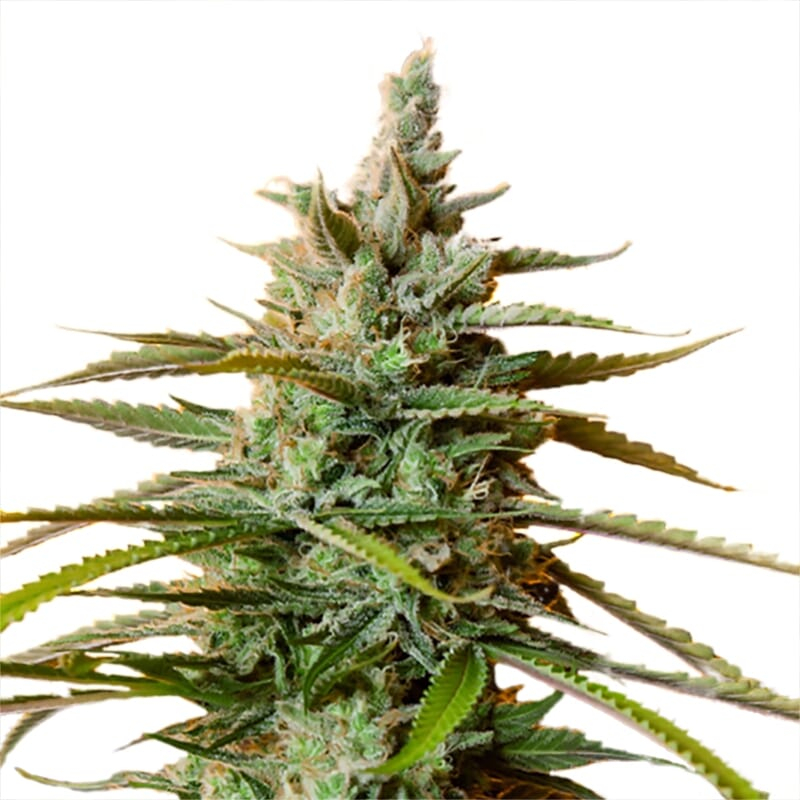
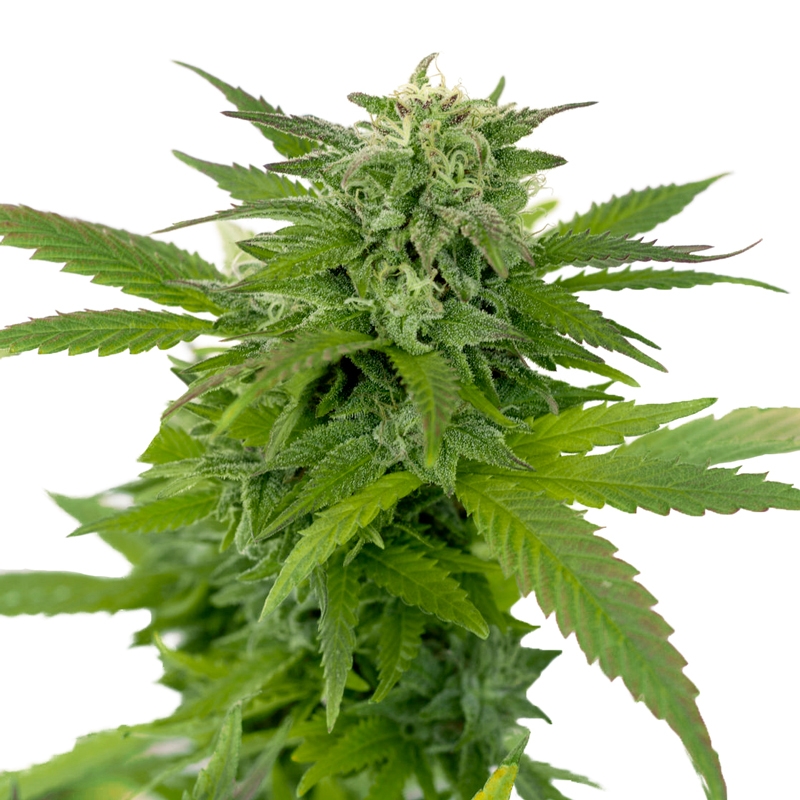
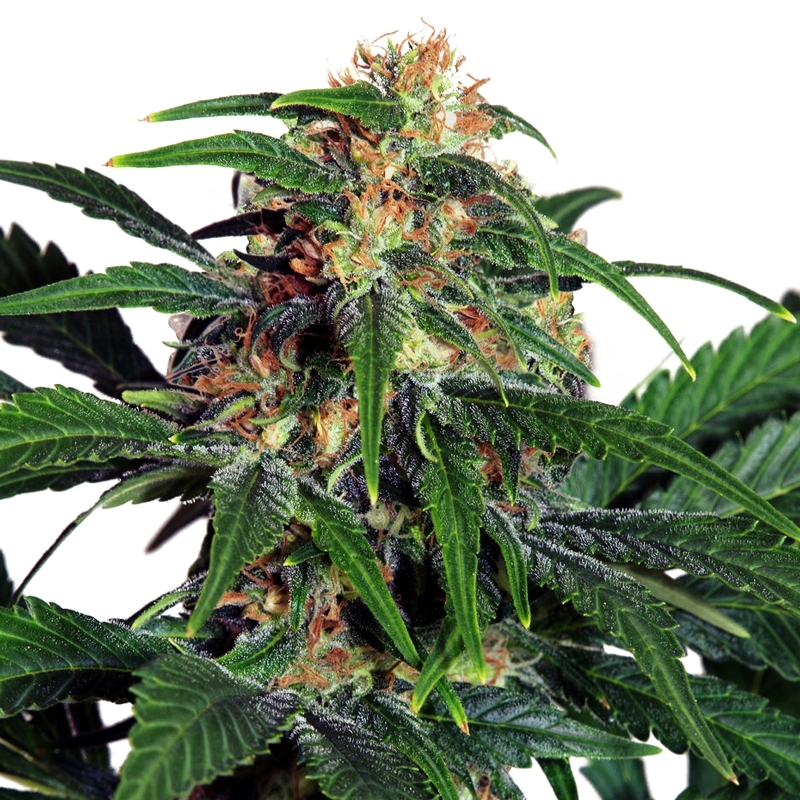
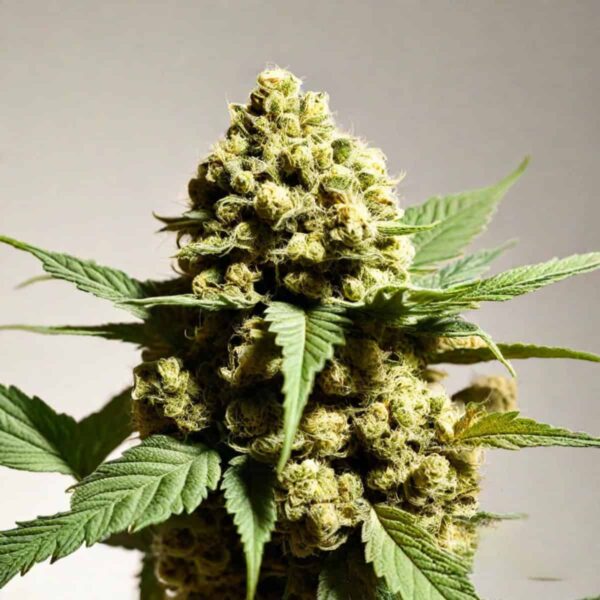
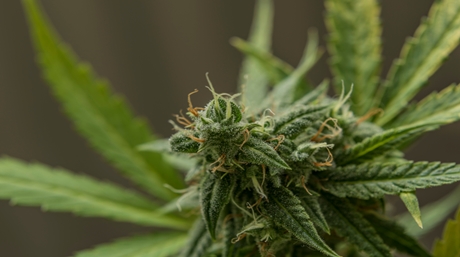





As Pure and Brave Spirit once said, “Things are what they are, and whatever will be, will be.” In the story of Liam and Sophie from Hamburg, life often waltzed in the rhythm of these words, painted in the colours of the winding German streets, the pot-smoke filled air, and the heart-stopping beauty of the Bayerische Alpen.
The ticking hands…
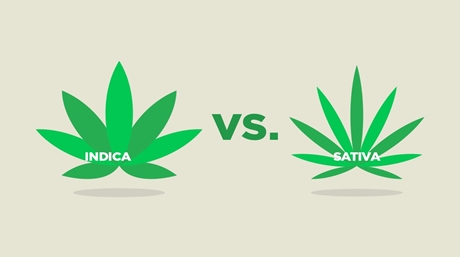
Cannabis Indica describes the psychoactive varieties discovered in India, where it was harvested for its seeds, fiber, and hashish production. Cannabis Indica was named by Jean-Baptiste Lamarck. Indica refers to stout, broad-leaf plants that provide sedating effects. Cannabis Sativa describes hemp plants found in Europe and Western Eur-Asia, where it was grown for its fiber and seeds. Cannabis Sativa was named by Carl Linneaus.
Learn how to make cannabis oil at home with this simple, beginner-friendly guide. From choosing the right strain to infusing and storing, we cover every step so you can create high-quality oil safely and easily.